




 3 Min
3 Min In Clinical

Follow this topic

Bookmark

Record learning outcomes
Diabetic leg ulcers are a serious and common complication of diabetes with the potential to progress rapidly and result in severe outcomes, including amputation. Community pharmacists are ideally placed to identify the early warning signs.
Contributing factors include:
- Reduced sensation from peripheral neuropathy
- Poor perfusion, delaying healing
- Hyperglycaemia, impairing immune response and collagen synthesis.
It is estimated that 15-25 per cent of people with diabetes will develop a foot or leg ulcer during their lifetime.2
Common signs and symptoms
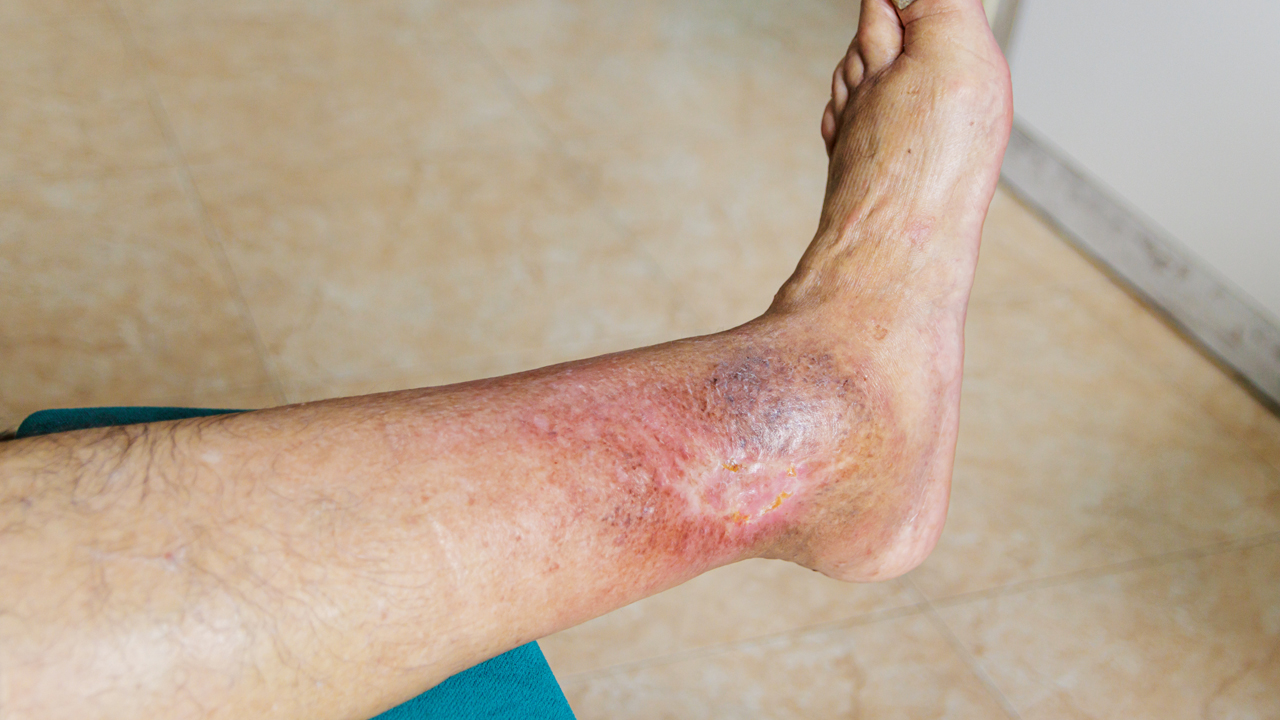
Patients may not initially recognise the seriousness of their condition. Pharmacists should be alert to:
- Non-healing wounds or slow-to-heal sores
- Thickened or callused skin around the ulcer
- Oedema, redness or warmth
- Lack of pain, despite significant tissue damage (suggesting neuropathy)
- Malodour or coloured discharge (yellow, green)
- Slough or black necrotic tissue (potential gangrene).
Systemic signs of infection include:
- Pyrexia / lethargy or malaise
- Elevated blood glucose levels (despite no dietary changes).
Early intervention
1. Wound care guidance
- Recommend suitable dressings (e.g. hydrogels, foams, alginates) based on exudate level3
- Discourage use of caustic antiseptics like iodine, unless directed
- Support proper hygiene and daily wound inspection.
2. Promote regular leg and foot checks
- Refer patients for podiatric assessment or vascular screening
- Encourage appropriate footwear and pressure offloading.
3. Support glycaemic control
- Reinforce adherence to prescribed therapy
- Offer advice on self-monitoring and dietary consistency.
4. Referral and signposting
- Know the local foot protection team or leg ulcer clinic
- Use clinical judgment or visual red flags to guide referrals.
Red flags requiring urgent referral
Recognising when a diabetic leg ulcer becomes a medical emergency is critical. Urgently refer patients with:
- Expanding cellulitis
- Thick, green or foul-smelling discharge
- Exposed tendon, joint, or bone – possible osteomyelitis4
- Rapid ulcer enlargement
- Dry or wet gangrene (black or mummified tissue)
- Signs of systemic infection or sepsis (e.g. hypotension, fever, confusion)
- Severe pain in an insensate limb – may indicate deep infection or compartment syndrome
- Ischaemic signs – absent pulses, cyanosis, cold limb.
These signs should prompt immediate referral to secondary care, ideally a multidisciplinary foot protection team, as recommended by NICE guideline NG19.5
Preventative advice
Preventing ulcers is as vital as treating them. Pharmacists should:
- Encourage daily foot and leg inspection
- Recommend emollients for dry skin, avoiding toe webs
- Promote smoking cessation to improve
circulation6 - Support weight management and cardiovascular health
- Advise on protective footwear and avoiding trauma.
Patients should be educated to report even minor wounds that don’t heal within a few days.
Conclusion
Diabetic leg ulcers are not just a skin issue – they are a potential precursor to systemic infection and limb loss. Community pharmacists, by maintaining vigilance and offering evidence-based advice, play a critical role in the early detection and prevention of complications.
Recognising red flags and knowing when to refer can significantly alter the clinical trajectory for patients.
Community pharmacists must continue to engage in this aspect of care of patients with diabetes, especially as services shift towards integrated primary healthcare delivery.
Reflection question to discuss with your team:
What are three red flag symptoms of diabetic leg ulcers that should prompt immediate referral and why is timely referral crucial in these cases?
References & further reading
1. Boulton AJM, Vileikyte L, Ragnarson-Tennvall G, Apelqvist J. The global burden of diabetic foot disease. Lancet. 2005 Nov 12; 366(9498):1719-24
2. Singh N, Armstrong DG, Lipsky BA. Preventing foot ulcers in patients with diabetes. JAMA. 2005 Jan 12; 293(2):217-28.
3. Scottish Intercollegiate Guidelines Network (SIGN). Management of Chronic Venous Leg Ulcers (SIGN 120). 2010
4. Lipsky BA et al. 2012 Infectious Diseases Society of America clinical practice guideline for the diagnosis and treatment of diabetic foot infections. Clin Infect Dis. 2012; 54(12):132-173
5. NICE guideline NG19. Diabetic foot problems: prevention and management. National Institute for Health and Care Excellence. Last updated 2019
6. Price P. The diabetic foot: quality of life. Clin Infect Dis. 2004; 39(Supplement_2):S129-S131

Share:


In Clinical
Let’s get clinical. Follow the links below to find out more about the latest clinical insight in community pharmacy.