



 1 Min
1 Min In Clinical

Follow this topic

Bookmark

Record learning outcomes
Problem representation
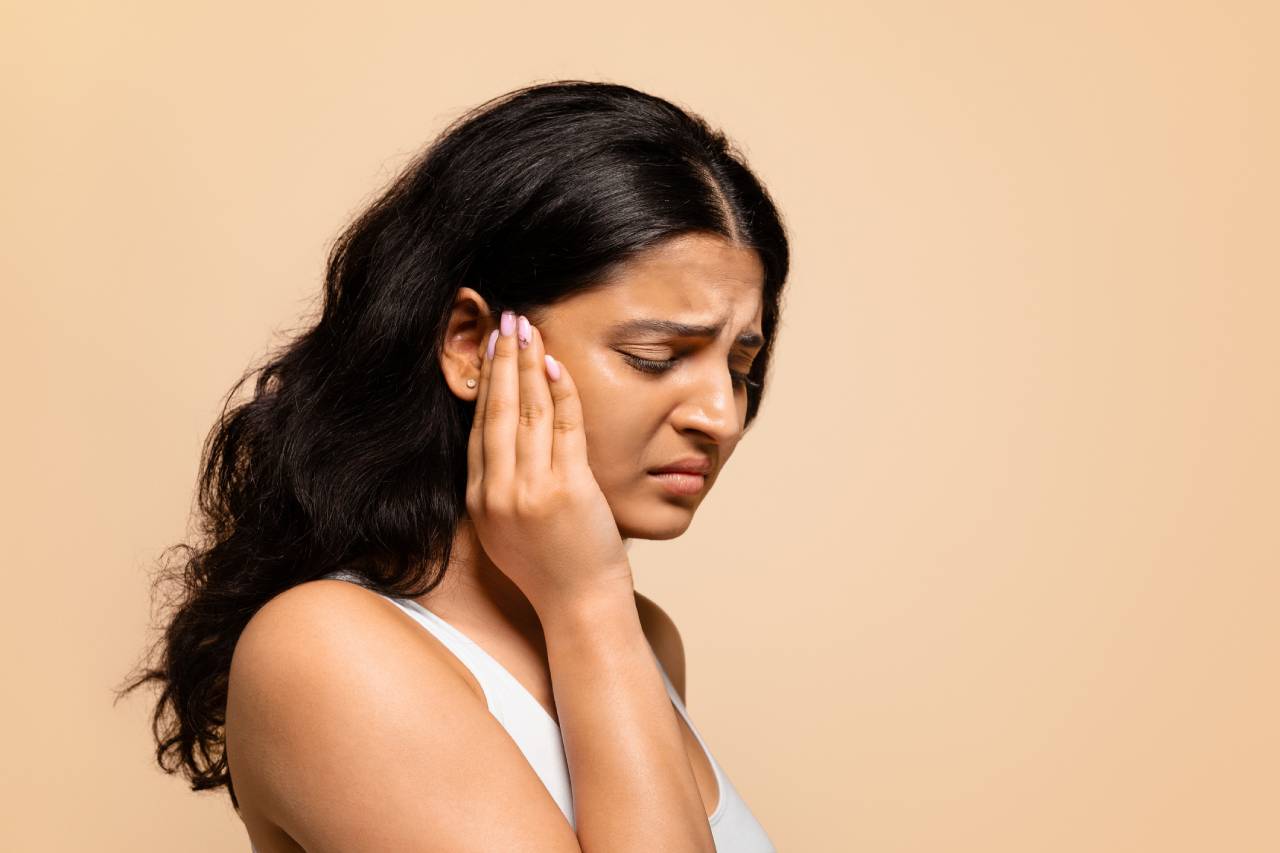
A 43-year-old woman with comorbidities presents with chronic unilateral hearing loss and associated tinnitus.
Hypothesis generation
Tinnitus (meaning ‘to ring’ or ‘ringing’) is defined as an unwanted auditory perception of internal origin, and is either defined as subjective or objective tinnitus.
Subjective tinnitus (which is much more common) is heard only by the patient, whereas objective tinnitus can be heard through a stethoscope placed over head and neck structures near the patient’s ear, and is associated with rare vascular forms of pulsatile tinnitus.
Most cases of tinnitus result from the same conditions that cause hearing loss, although the mechanism that produces tinnitus remains poorly understood.
- Often associated with hearing loss
- Many medicines can cause tinnitus and a medication history should always be taken
- Objective tinnitus warrants referral and is associated with the pulsatile condition
Likely diagnoses
- Ear infection (otitis media with effusion)
- Foreign objects
- Head and neck injury
- Hearing loss (age-related and environmental)
- Medication
Possible diagnoses
- Chronic conditions
- Anaemia
- Diabetes
- Lupus
- Multiple sclerosis
- Thyroid disorders
- Ear wax
- Eustachian tube dysfunction/barotrauma
- Ménière’s disease
- Otosclerosis
- Perilymphatic fistula
- Temporomandibular disorders (TMD)
Critical diagnoses
- Acoustic neuroma
- Cholesteatoma
- Vascular causes.
Continued information gathering
Two of the more likely causes – ear infection and foreign objects – are strongly associated with children, and for this reason can initially be ruled out.
Also hearing loss, which is age-related, while possible in a 43-year-old, on balance can also be eliminated.
Trauma or injury is a likely cause. You ask Mrs Salwan about any events that might have resulted in injury or exposure to very loud noises. She advises you that no such event has taken place. This seems to rule out a head and neck injury/environmental exposure.
We know Mrs Salwan has a medical history of vitamin deficiency and arthritis – either of these could be relevant.
She tells you she has had vitamin B12 deficiency for a few years and receives three-monthly injections. Since she started getting them she rarely experiences any of her previous symptoms of tiredness and ‘brain fog’.
Her arthritis was diagnosed about nine months ago and she currently manages it with ibuprofen. NSAIDs have been reported (although rarely) to cause tinnitus (and hearing loss). The timing of her diagnosis and new tinnitus symptoms suggest that this is a possibility, but other causes should be explored.
Problem refinement
While hearing loss and tinnitus can coexist, the presence of other symptoms may help to narrow down your thinking. When asked, Mrs Salwan says she has not noticed any other issues. The lack of other symptoms means that conditions where vertigo is prominent can be discounted – such as Ménière’s disease, perilymphatic fistula and TMD. Dizziness is also commonly experienced in Eustachian tube dysfunction/barotrauma.
Other than those critical causes, this leaves earwax, otosclerosis and an NSAID-induced adverse effect as options. An ear examination should help confirm/refute ear wax as the cause.
You perform an ear inspection and find nothing untoward. This is also helpful in ruling out cholesteatoma (and confirming there is no foreign body). The ear exam shows no abnormal findings.
It seems at this stage that most, if not all, of the more common causes of tinnitus are not responsible for her symptoms, so it is now necessary to establish the nature, duration, severity and frequency of the tinnitus. Mrs Salwan confirms it is only in her right ear and the buzzing is often but not always present. She says the noise does not have a pulsatile quality. This description seems to rule out a vascular cause.
At this stage your differential diagnosis is uncertain. Otosclerosis and an NSAID-induced adverse effect remain a possibility. Rare but critical conditions such as acoustic neuroma cannot be eliminated as symptoms other than hearing loss or tinnitus can take months to become apparent.
Red flags
While Mrs Salwan does not have pulsatile tinnitus, she exhibits unilateral tinnitus, which can be associated with a more sinister pathology.
Likely diagnoses
Most often seen in young children. Hearing loss is the common presenting symptom, but mild pain and tinnitus can sometimes be experienced.
Foreign objects
Blockages in the ear canal can cause pressure to build up in the inner ear, affecting the operation of the eardrum. Conductive deafness and discharge are common symptoms. Where the object directly touches the eardrum, it can precipitate tinnitus.
Head and neck injury
Damage to the inner ear can be caused by a blow to the head. Concussions are linked to hearing loss and tinnitus.
Hearing loss
Age-related hearing loss is common and can be associated with tinnitus. Likewise, occupational, recreational or accidental exposure to sounds greater than 85 decibels can produce hearing loss accompanied by tinnitus.
Medication
Ototoxicity specifically affects the cochlea or auditory nerve and sometimes the vestibular system. Medicines including aminoglycoside antibiotics (e.g. gentamicin), loop diuretics (e.g. bumetanide, furosemide), NSAIDs, aspirin, antimalarials (e.g. quinine, chloroquine) and cytotoxic drugs (e.g. cisplatin, bleomycin). Symptoms tend to be bilateral and the effect can either be reversible and temporary, or irreversible and permanent.
Possible diagnoses
Tinnitus can be a symptom of a number of chronic conditions, although it tends to be uncommon and more prominent features will be present if the patient is undiagnosed. For example, in anaemia, shortness of breath, fatigue, headache and cognitive dysfunction are common; in diabetes thirst, tiredness and frequent urination; in lupus there is fatigue, joint and muscle pain, and skin changes. A medical history should always be sought to check for the possibility of a pre-existing condition as a possible cause of tinnitus.
Earwax
The key features of ear wax impaction are a history of gradual hearing loss (most common symptom) and variable degrees of ear discomfort. Itching, tinnitus and dizziness occur very infrequently.
Eustachian tube dysfunction/barotrauma
Barotrauma is discomfort in the ear due to pressure differences between the inside and outside of the eardrum. It is usually observed with altitude changes, such as flying, although can be experienced when suffering upper respiratory tract infections. Ear discomfort/pain and a sensation of ear fullness (often described as being underwater or feeling like the ears are filled with cotton wool) are the commonest symptoms. Other symptoms that may be experienced are tinnitus, dizziness and popping or clicking noises.
Ménière’s disease
Main symptoms are vertigo and unilateral hearing loss. Vertigo is often severe enough to necessitate bed rest and can cause nausea, vomiting and loss of balance. It can occur suddenly and lasts from 30 minutes to hours. Other symptoms include sudden slips or falls, tinnitus and headache. It is more common in people aged between 20 and 60 years. Characteristically, tinnitus between attacks is described as a ringing noise, while during an attack it sounds more like a roaring noise.
Otosclerosis
This refers to the stiffening of the bones in the middle ear reducing their ability to vibrate and therefore conduct sound. The most frequently reported symptom is gradual hearing loss. This usually starts unilaterally. Many people with otosclerosis first notice that they are unable to hear low-pitched sounds or cannot hear a whisper. Some people may also experience dizziness, balance problems and tinnitus. The tinnitus is characterised by a hissing or humming sound. It typically affects middle-aged white women. There is usually a positive family history.
Perilymphatic fistula
A perilymphatic fistula refers to a hole or tear in one of the membranes that separate the middle ear and inner ear. It causes acute onset unilateral sudden hearing loss, tinnitus, vertigo, and unsteadiness. There is usually a history of barotrauma, head or ear trauma.
Temporomandibular disorders
Most common in people aged 20 to 40 years. Symptoms include pain or tenderness in the face, jaw joint area, neck and shoulders, and in or around the ear. Pain worsens on chewing, speaking or opening the mouth. Clicking or grating sounds in the jaw joint can be heard when the mouth is open and closed. Patients with TMD also report headaches and otological symptoms such as otalgia, tinnitus, vertigo, ear fullness and hearing loss.
Critical diagnoses
This is an uncommon benign tumour which slowly destroys the vestibular nerve. The first symptom is usually tinnitus. Tinnitus may be present for months or years before hearing loss or vertigo is noticed. Tinnitus is unilateral in 95% of cases. It occurs most frequently in adults aged 30 to 60 years.
Cholesteatoma
Cholesteatoma is a destructive and expanding growth in the middle ear and/or mastoid process. It is characterised by unilateral persistent or recurrent malodorous purulent discharge and a feeling of fullness in the ear. Conductive hearing loss is present in about 90 percent of patients. In the advanced stages, tinnitus, dizziness and ear pain can occur.
Vascular causes
Altered blood flow, often due to structural changes to blood vessels, can cause pulsatile tinnitus. Noises vary considerably but what they all have in common is that the sounds are in time with the pulse. All causes of pulsatile tinnitus are serious and should be investigated.
Management
Self-care options
To help reduce symptoms of tinnitus in the short-term, you can remind Mrs Salwan that ear protection is useful to limit exposure to loud noises. Also being in places with background noise can act as a distraction – so avoid silence.
Prescribing options
Medication is generally ineffective. In this case establishing the cause is necessary prior to any intervention. An audiological assessment is often required and because Mrs Salwan has unilateral tinnitus with no other symptoms, an MRI scan might be considered by her GP.
Safety netting
You tell Mrs Salwan that you are uncertain what is causing her hearing loss and tinnitus. You explain to her that it could be the NSAID or an ear-related condition, but she will need further assessment. You advise her to see her GP.
Multiple choice questions
- Tinnitus UK: tinnitus.org.uk
- NICE, 2020. Tinnitus: assessment and management (NG155): nice.org.uk/ng155

Share:


In Clinical
Let’s get clinical. Follow the links below to find out more about the latest clinical insight in community pharmacy.