



 1 Min
1 Min In Clinical

Follow this topic

Bookmark

Record learning outcomes
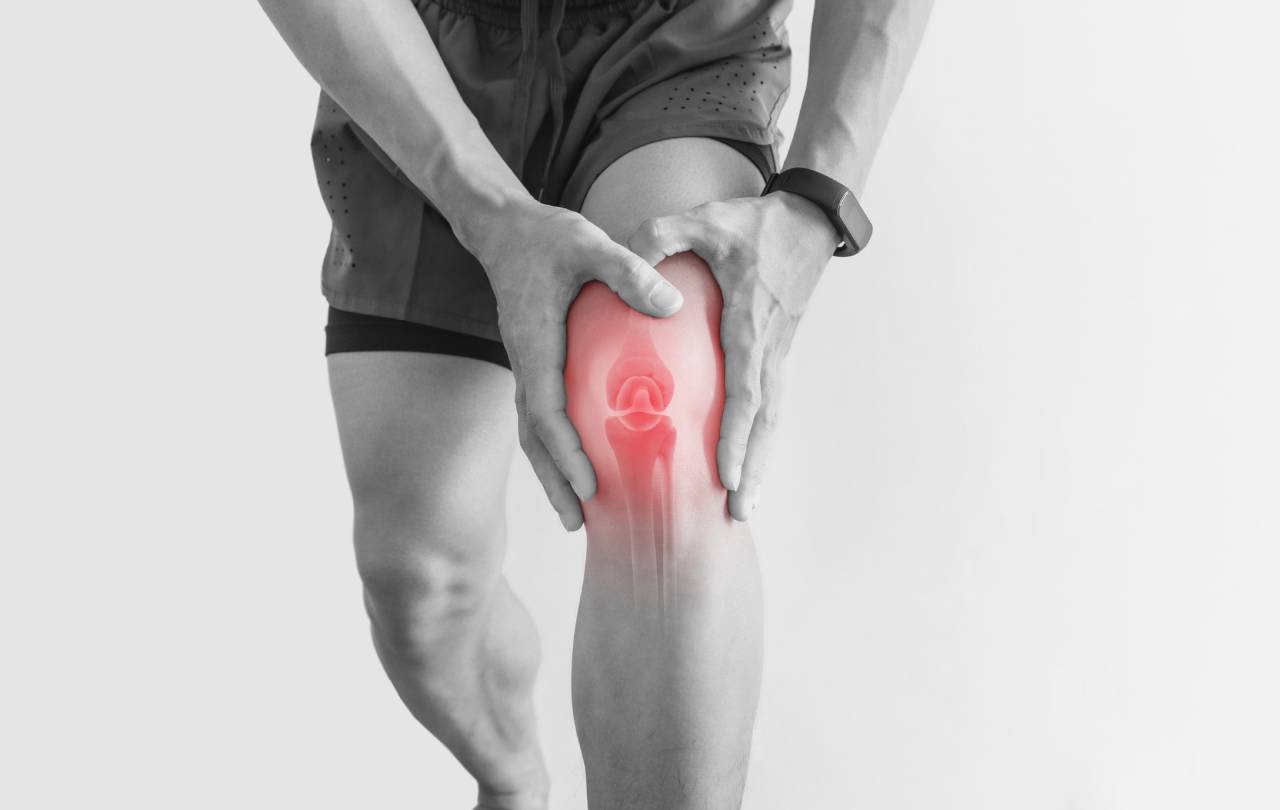
Soft tissue injuries are commonly associated with athletes and professional sports, but they can affect anyone, whatever their age or level of fitness. The soft tissues (muscles, ligaments and tendons) help to support and move the joints, and may become more prone to damage if these are weakened by lack of regular exercise.
Soft tissue injuries can cause pain, swelling, bruising and limited movement. These can often be managed in primary care, with pharmacy advice and OTC products, to reduce pain, optimise healing and enable people to get back to normal activities as soon as possible.
However, some acute injuries can be severe or lead to chronic problems. These may disrupt daily activities if not managed early on.
Assessment
Pharmacists should be able to assess whether someone with a soft tissue injury can be treated in the pharmacy, or should be referred to their GP or another healthcare professional.
It may not be possible to diagnose specific injuries without a full examination and specialist expertise, but pharmacists can look for signs of inflammation, such as redness and swelling, and whether the joint or muscle looks otherwise normal. However, it is important to note that bruising from a soft tissue injury can take up to 24 hours to appear.
Part of the assessment should also cover the range of motion of the affected joint (normal or limited), as well as its strength, stability, coordination and weight-bearing ability.
Pharmacists should also ask the person:
- About the signs and symptoms (pain, swelling, bruising, reduced range of motion)
- How long they have had their symptoms
- When and how the injury occurred if this is known (e.g. following an accident or fall, or in response to a specific movement or activity)
- If the symptoms are new or have happened before
- If they can move the injured area or put any weight on it
- How severe the pain is and if it is constant or getting worse
- If anything makes the pain better or aggravates it
- If there is any visible abnormality
- If there are any other symptoms, such as numbness, tingling or weakness (which could indicate neurological involvement)
- If the joint feels unstable or likely to give way
- If the person can carry on with their usual activities
Patients should be referred to A&E if they have a suspected fracture (they are unable to weight-bear or there is a deformity), dislocation, or severe swelling or instability. They should see their GP if they have severe pain or systemic symptoms such as fatigue or fever.
In general, people should be referred to their GP if the pain does not improve after two to three weeks; they have ongoing pain, stiffness or a recurrent injury; or need guidance about returning to sport or specific activities. Alternatively, they may be able to self-refer to physiotherapy if this is an option locally.
Acute sprains and strains
Acute sprains and strains are more common in people who do a lot of sports. Leaving these untreated can lead to chronic pain, loss of movement, osteoarthritis and muscle damage.
“A sprain is a ligament tear and a strain is a muscle tear,” says Tim Allardyce, physiotherapist and clinical director of Surrey Physio. “Ligament tears are often traumatic and usually involve the twisting of a joint. Imagine a sprained ankle that is rolled – this is a ligament sprain. A strain would be a tear or pull to the muscle, causing muscle fibre damage, usually occurring in sport. The most common muscle strain is to the hamstring, but calf strains are common too.”
A sprain often affects the ankles, knees, wrists and hands. Symptoms include localised pain (especially on weight bearing), tenderness, swelling, bruising and reduced function. Severe injuries can cause joint instability – a feeling of the joint ‘giving way’.
A hand sprain may be more common in people who play sports involving excessive gripping, such as tennis, rowing or golf. Elbow sprains are more common in racquet games and sports involving throwing. An ankle sprain is more likely to affect people taking part in basketball, football, volleyball or climbing.
A strain often affects the foot, leg muscles and back. Symptoms include muscle pain, cramping, spasm and weakness, inflammation and bruising. Strains may be more likely to occur in contact sports (such as football) and activities that involve quick starts (such as sprinting).
Acute management
There remains some debate about the acute management of sprains and strains as there is currently insufficient evidence to clarify which method is most beneficial – and so there is a lack of consensus among healthcare professionals.
There are a number of acronyms that describe how to manage these injuries. The most widely known method is PRICE:
- Protection – protect from further injury
- Rest – avoid activity for the first 48-72 hours
- Ice – apply ice for 15-20 minutes every 2-3 hours during the first 48-72 hours
- Compression – use an elasticated tubular bandage to control swelling and support the injury
- Elevation – keep the injured area up until swelling is controlled.
This is the method advised by the NHS website. However, recently the PEACE and LOVE framework has been developed, which is similar but with some important distinctions. This is recommended by some healthcare experts and even some integrated care boards.
PEACE
- Protect
- Elevate
- Avoid anti-inflammatory medications such as ibuprofen or icing in the early stages post-injury as they can both reduce tissue healing
- Compress
- Educate – advise people to listen to their body
This is then followed by LOVE after day 4:
- Load – advise people to let pain be their guide to a gradual return to normal activities
- Optimism – studies have shown that positivity and confidence help recovery
- Vascularisation – increase blood flow to the area using pain-free cardiovascular activities to improve tissue healing
- Exercise – restore mobility, strength and coordination, but limit activity to avoid pain.
The most contentious elements concern the use (or not) of ice and anti-inflammatories, with some experts warning that while these can help reduce pain and improve function, they may have a harmful effect on tissue repair. The reasoning is that the initial stages of inflammation help to repair damaged tissues, and so inhibiting these mechanisms may negatively affect long-term tissue healing.
While there is commonality in these methods, the advice pharmacists give people about analgesics and use of ice should be guided by their experience, choices and clinical judgement.
Gentle exercise can usually help people move again, as long as they can do this without excessive pain. They may need to use external support for a while, such as bracing or taping, to help prevent further injuries.
Gentle mobility refers to controlled movement within a comfortable range, rather than complete rest or pushing into pain. This can include moving the joint through its available range without forcing it, introducing light weight-bearing if tolerated and maintaining normal day-to-day movement where possible.
The aim is to keep the area active without aggravating symptoms. Evidence shows that early appropriate movement supports tissue healing, reducing stiffness and helping to restore function more effectively than prolonged rest.
People should be referred to a physiotherapist to discuss when to return to their usual activities. Athletes are advised to return to sports when they have a full, painless range of movement and their muscle strength has been restored.
It is important that patients speak to their GP or physiotherapist if their symptoms aren’t improving or getting worse, or if they are experiencing new symptoms.
Prevention tactics
Sprains and strains can often be prevented by identifying risk factors and taking suitable precautions. Preventative measures include:
- Warming up for 5 to 10 minutes before exercising
- Cooling down after exercising and doing gentle stretches
- Slowly increasing the duration, frequency and intensity of exercise or activities
- Avoiding exercising or playing sports when tired or in pain
- Staying hydrated and eating a balanced diet
- Scheduling regular rest so the body can recover from exercise
- Using appropriate equipment and lifting techniques
- Wearing supportive footwear and replacing worn-out shoes
- Avoid playing sport, walking or running on uneven surfaces.
Elbow injuries
Elbow injuries (epicondylitis) affect the area where the tendons in the forearm muscles connect to the bony lump of the elbow. Doing activities involving a lot of repetitive movements (especially of the wrist or hand) can cause microscopic tears or degeneration of the tendon. This then leads to pain and restricted movement.
People may find it painful to lift or bend their arm, grip small objects or perform a twisting motion, such as opening a jar. The dominant arm is most affected.
“Tennis elbow [lateral epicondylitis] and golfer’s elbow [medial epicondylitis] are both tendon overuse injuries in the elbow, but they differ with their location,” says Tim Allardyce. “Tennis elbow occurs on the outside of the elbow. Golfer’s elbow causes pain on the inside of the elbow.”
Epicondylitis is more common in people aged 35 to 54 years of age. While it can be caused by playing racquet sports or golf, it is more likely to be a hobby-related or work-related overuse injury due to repetitive movements, such as typing or using a computer mouse, painting, sewing or playing a musical instrument.
Common symptoms
The main symptoms of epicondylitis are:
- Pain and tenderness in the elbow
- Pain and tenderness that spreads along the forearm
- A stiff elbow that hurts when trying to straighten it or making a fist
- Weak hands that make it more difficult to grip or twist everyday objects
- Numbness or tingling in the fingers (especially the ring and index fingers).
The pain may initially come and go, occurring only when doing certain movements, especially involving the wrist. It may feel like a dull ache or a shooting pain down the forearm. The symptoms may become more constant as the condition develops. Persistent symptoms can affect sleep and mental health, interfering with work and daily life.
Epicondylitis may not cause visible signs of inflammation. If patients experience any of the above symptoms (or red flags mentioned in the Assessment section), they should see their GP or a physiotherapist. It is possible that they may need a physical examination to check their range of movement and strength, along with specific tests to rule out other causes of chronic elbow pain, such as arthritis or gout.
Management advice
Tennis elbow and golfer’s elbow are usually self-limiting conditions, resolving within four to six weeks, and can usually be managed with rest, heat or ice, self-care, exercises and analgesics (such as ibuprofen or diclofenac gel, or oral paracetamol).
Oral NSAIDs such as ibuprofen or naproxen can be used to reduce inflammation caused by sporting injuries (if these are suitable for the patient).
It is important that patients reduce (or avoid if possible) any specific activity that puts stress on the affected tendon for six weeks. This may involve adjusting their work activities (such as supporting the wrist when using a keyboard) or changing how they grip or lift an object (using specific tools to help them if necessary).
Some people find that wearing an elbow support (such as a strap or brace) can help to take the pressure off the tendon.
Exercises to improve movement, flexibility and strength are the main long-term management approaches. A physiotherapist can advise on a suitable exercise programme and may also recommend an epicondylitis clasp (a specialist orthopaedic brace) or ultrasound therapy.
It is important to continue with the exercises for at least six to eight weeks after the pain has disappeared to help prevent symptoms from returning.
If the pain isn’t improving after two to four weeks, patients should speak to their GP. Corticosteroid injections may provide short-term relief from severe pain, although the symptoms often return. Surgery and other specialised treatments are occasionally needed for persistent epicondylitis.
Prevention advice
Tennis elbow and golfer’s elbow may both be prevented by:
- Strengthening the forearm muscles that support the elbow
- Avoiding sudden increases in exercise or other leisure activities
- Taking regular breaks from activities such as sewing, typing or playing an instrument
- Building up slowly when starting a new sport or activity to give the muscles and tendons time to adapt
- Breaking up any tasks into smaller chunks to avoid too many repetitive movements
- Getting professional coaching advice to check technique when playing sports such as tennis and golf.

Share:


In Clinical
Let’s get clinical. Follow the links below to find out more about the latest clinical insight in community pharmacy.