




 3 Min
3 Min In Opinion

Follow this topic

Bookmark

Record learning outcomes
Community pharmacy has faced a perfect storm of financial and operational difficulties that have threatened its ability to deliver clinical services and even its very existence.
However, we are starting to see a turning point as the sector shifts from a story of survival to one of digital reinvention, with some pharmacies emerging as vital innovation hubs at the frontline of primary care.
This transformation has taken place against an extraordinary backdrop. Community pharmacies in England dispensed a record 1.16 billion prescription items in 2024/25, a 4% year‑on‑year increase, despite the number of pharmacies falling to 11,098, the lowest level since 2015. Yet rather than buckling under the strain, many have embraced new clinical services to meet the evolving needs of patients and the NHS.
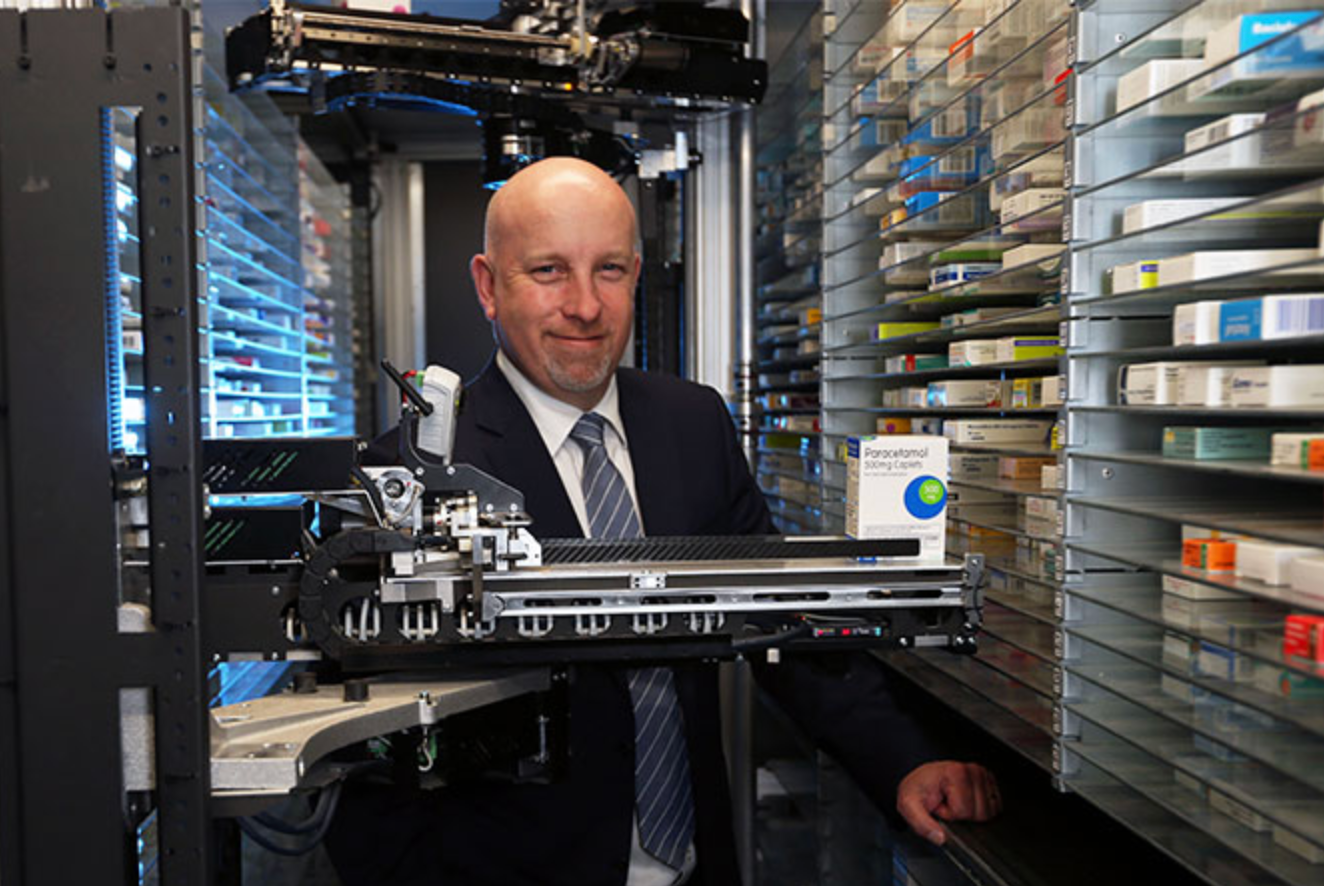
The driving force is digital innovation. From cloud-based pharmacy management platforms to dispensing robots and full integration with the NHS App, technology is proving to be the foundation for pharmacy’s sustainability and is redefining what it means to deliver care at the heart of every community.
Radical reconfiguration
Independent prescribing is radically reconfiguring the support pharmacies can offer local communities. Across England and Wales, pharmacists are undertaking clinical roles as part of the NHS’s neighbourhood care model.
Technology has subtly, but decisively, turned pharmacies into connected care hubs, capable of delivering services previously confined to GP surgeries. Pharmacies are increasingly providing more clinical services like contraception consultations, flu jabs and hypertension management, freeing up time at GP practices.
In 2025, there were 1.9 million Pharmacy First consultations, an increase in clinical activity of nearly 300% since 2019/20. What began as a handful of pathfinder projects has developed into a catalyst for national change, positioning community pharmacies as accessible first‑contact points for urgent care, prevention and long‑term condition management.
This rethinking of how services are delivered is already reshaping patient access and relieving pressure on GPs. By blending human expertise with technology to meet rising NHS demands and ensure long-term viability, the sector is creating a new blueprint for its future: one where every pharmacy has the potential to operate as a local primary care health hub.
Digital developments
Over recent years, digital tools have evolved from operational conveniences to essential necessities – the infrastructure that keeps the system running, supports staff and improves patient care. The pharmacies thriving today are those that have embraced this transformation, using data and automation to deliver more with less.
Electronic repeat dispensing now covers 95% of eligible prescriptions, streamlining medicines supply and freeing thousands of clinical hours each week. Many pharmacies now use AI‑driven triage platforms, which automate symptom checking, prioritise urgent cases and handle administrative queries. These advances have slashed pharmacy’s administrative burden. Remote digital consultations now absorb 15% of urgent care demand, a testament to how technology can both expand capacity and improve access.
But the real power of digital transformation lies in connectivity. From electronic prescribing and dispensing robots to smart inventory systems, automation is connecting once disparate workflows and creating real-time awareness of dispensary activities – transforming how pharmacy teams manage both clinical and operational tasks.
This connected, data‑driven model enhances safety and continuity of care. It also helps pharmacists to identify risks earlier and manage chronic conditions more proactively. For patients, this means faster, joined‑up care. For clinicians, it is the foundation for a truly data‑driven model of pharmacy practice.
In this new era, digital maturity equals commercial viability. Digital innovation is no longer a nice-to-have option for community pharmacy; it is necessary for its very survival.
Just the start
This is only the beginning. The next phase will define how pharmacists can cement their role as community care providers, within a truly connected NHS.
Preventive health will also move to the forefront, with pharmacists using population‑level data to identify at‑risk groups, initiate screening, and deliver earlier interventions. Pharmacies will serve as the entry point for patients navigating increasingly complex health systems.
Achieving this vision, however, demands more than technology alone. It will require investment in training, interoperability and the secure exchange of information between pharmacy systems, GPs, hospitals and public health bodies. It will also hinge on effective leadership and the willingness of the sector to see digital integration as a strategic opportunity.
In the current environment, pharmacies that see technology as a threat are not likely to survive. As for now, it is clear that the future of community pharmacy will be defined by fully embracing digital innovation.

Share:


In Opinion
Hear the opinions and comment from some of the top names in pharmacy. Make sure you get in touch and share your opinions with us too.