




 3 Min
3 Min In Opinion

Follow this topic

Bookmark

Record learning outcomes
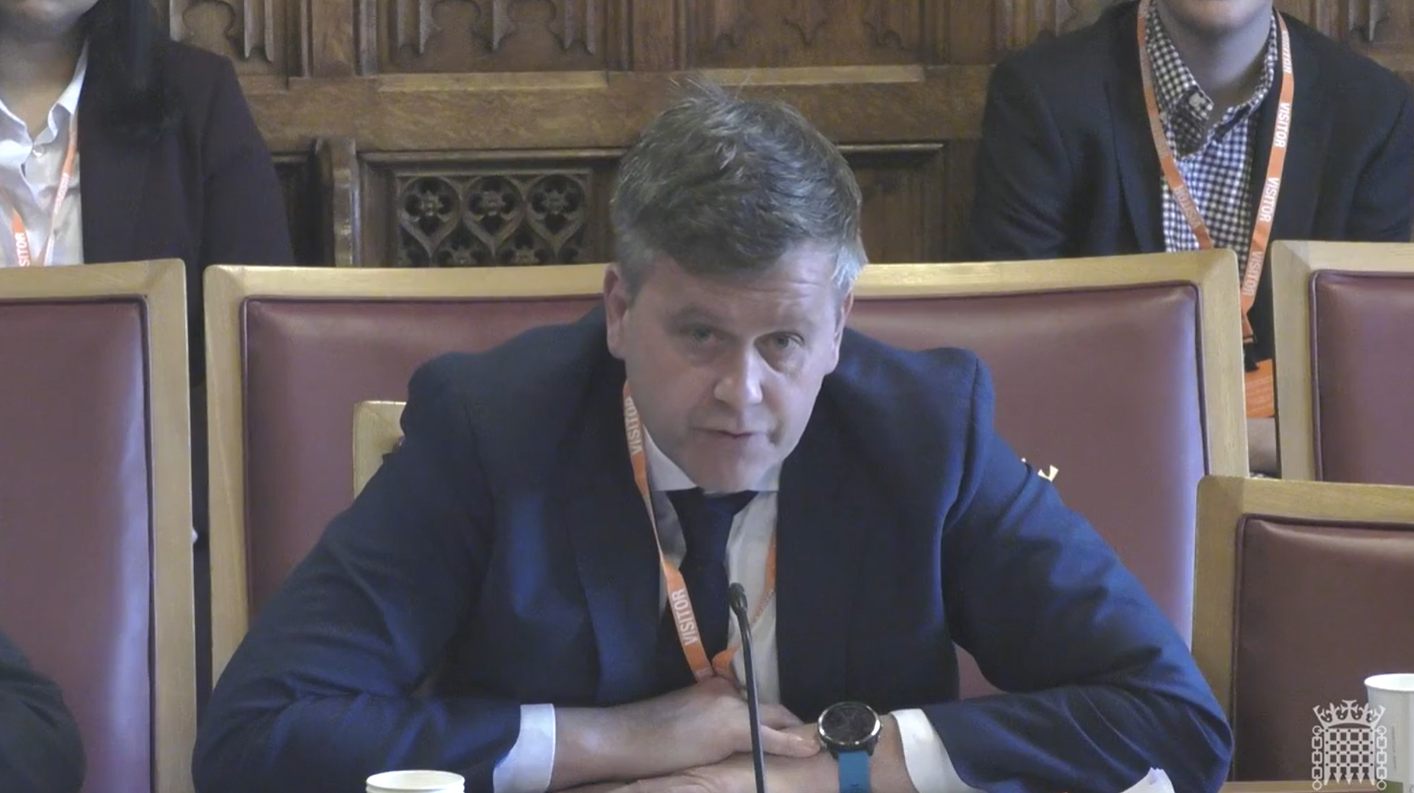
I was recently asked to give evidence to the House of Lords Select Committee on Childhood Vaccinations and provide an ICB perspective.
The aim was to share evidence and insights from the Hampshire and Isle of Wight (HIOW) healthcare system with the House of Lords Childhood Vaccinations Committee. Ultimately, the committee will share recommendations with policymakers about the practical steps needed to increase the uptake of childhood vaccinations.
Current challenges
There are many challenges which mean that vaccination rates in children currently fall below World Health Organization targets.
One of the most significant issues is that there is a lack of awareness among the public of what vaccines are needed, when they are needed, and why they are needed. This is a consequence of a dearth of accurate information in the public domain about the diseases vaccines help to prevent, and lots of misinformation and anti-vax sentiment circulating online.
Then there are the practical aspects of vaccine delivery. Challenges around access remain for many people: fitting appointment times around daily life and work, ease of attendance at GP practices due to distances from home, and the need to rely on public transport – to name just three.
Other issues include the fundamental problem of data accuracy on vaccination records. Not only are there interoperability issues between data systems which impacts accuracy, but consider the complexity if some children have been administered vaccinations on different schedules in countries other than the UK.
And, of course, like in other parts of the NHS, a lack of capacity for staff training to help raise awareness of the importance of immunisations and start addressing vaccine hesitancy, has a negative impact.
But one of the most significant barriers is the lack of a nationally commissioned outreach service.
Addressing the issues
It is clear that what is needed is dedicated and recurrent funding for outreach programmes and initiatives. For GPs, there should be financial incentives via item of service fees and the QOF (Quality and Outcomes Framework).
We also need a national communications campaign highlighting who needs which vaccines, when and why. This should be supported by local community champions.
But we don’t need to reinvent the wheel. Community pharmacy, given its local presence, connections and entrepreneurial approach, can provide additional access for the most difficult-to-reach groups in addition to those services provided by GP practices and primary care networks.
The network provides an opportunity to enhance access and increase families’ confidence in the childhood vaccination agenda. They already provide seasonal vaccinations across Hampshire and Isle of Wight (Covid-19 and flu).
Community pharmacies are a vital part of our vaccination network and provide a significant proportion of vaccination activity, including flu nasal spray vaccinations for children, care homes residents, and for people who are housebound.
And we know they are keen to be involved. Where there have been opportunities for community pharmacies to get further involved in providing seasonal vaccinations, they have taken this opportunity to do so – in great numbers.
Proven outcomes
Focusing on my patch as an example, over 100 pharmacies across HIOW provide Covid-19 and flu vaccines every campaign and deliver over one-third of all vaccinations administered on our patch.
In 2025/26, we launched a pilot in community pharmacies to offer the flu nasal spray vaccine to 2- and 3-year-olds for the first time. Out of 282 pharmacies, 134 took part in this pilot (48%) and the plan now is to extend this further.
Community pharmacy already offers easy and flexible access to seasonal vaccinations. But there are wider opportunities for drop-in vaccinations – especially if people are popping into the pharmacy for other reasons (e.g. collecting a prescription).
If we can expand the vaccination network, this will lead to higher vaccination uptake rates. Moreover, as it is local, it could feel more informal and accessible than other healthcare settings, which is important to some people.
The good news is that we know that the patient view of community pharmacy vaccination programmes is very positive. However, pharmacists cannot currently access a patient’s full healthcare record, which can pose some challenges around confirming eligibility for specific seasonal vaccines.
Commissioning and funding
My view is that more services should be commissioned in community pharmacies, with national commissioning decisions made on the evidence of the pilots that have already been undertaken.
But pharmacies should also engage with their ICBs via local medicines management teams (although noting that all ICBs are currently going through organisational change programmes) and specific vaccination programme units.
We need to consider how community pharmacies can form an active part of emerging neighbourhood health models and how key initiatives like Family Hubs can be built upon.
However, we know that funding levels are a serious worry for community pharmacies – we need to ensure we strengthen the sustainability of community pharmacies with greater funding.
There is a strong fiscal argument for ‘at scale’ commissioning of outreach community pharmacy childhood vaccination programmes. There is also an opportunity to really build on the ‘making every contact and asset count’ with community pharmacy remaining the key access point for those groups suffering from health inequalities.
There is also an opportunity also to build on key services such as Pharmacy First as well as various health screening initiatives.
Other considerations
We know there are existing issues with vaccines records, so where does pharmacy fit in and how do we ensure that pharmacies have access to records and can also update them?
This is possible using point-of-care systems to record vaccinations. The data from these systems then feeds into GP IT systems to ensure that all vaccinations show on a patient’s GP health record as well as the NHS App.
Integration with existing community pharmacy data systems like PharmOutcomes, of course, is critical to success.
In addition, more urgent discussion is needed on how best to align existing contracting mechanisms, so we have a win-win scenario linked to appropriate management and streaming of demand. If you look at current vaccination coverage, there are clearly gaps to fill (and enough to work go around).
We also need a contractual model that recognises that income generated from providing vaccination services is essential for maintaining the sustainability of both general practice and the community pharmacy sector.
Future vision
If community pharmacies are able to offer a wider number of vaccinations, not just seasonal vaccinations, it would in theory improve childhood vaccination rates overall – including opportunities for catch-up campaigns.
The national evaluation of the flu immunisation nasal spray pilot is yet to be published, so the full impact of wider community pharmacy participation in vaccination programmes where delivery has previously been restricted to GP practices is yet to be seen.
Any changes would need careful management, including lengthy preparation and socialisation time, to prevent financial destabilisation of either community pharmacies or GP practices.
However, the ability of pharmacy to deliver a wider range of services may increase income opportunities and improve sustainability. Moreover, working more closely with local communities on boosting vaccination uptake may lead local people to visit and use their pharmacies more often as part of the Pharmacy First initiative.
Overall, this could help change the face of community pharmacy and is an opportunity for the sector to be seen as a local partner with solutions, with an obvious lean into neighbourhood health.

Share:


In Opinion
Hear the opinions and comment from some of the top names in pharmacy. Make sure you get in touch and share your opinions with us too.