



 7 Min
7 Min In Learning

Follow this topic

Bookmark

Record learning outcomes
Writing for publications is an opportunity open to all pharmacists. And it offers the chance to share experiences, opinions, and good practice with pharmacy colleagues.
Liam Stapleton is a part-time senior lecturer in pharmacy and professional lead at the University of Lincoln, and also runs Metaphor Development, a training and coaching consultancy. Mr Stapleton has been writing articles for the pharmacy press for more than 30 years. In particular, he writes about professional development, and is also a regular columnist for Pharmacy Magazine.
He enjoys sharing his expertise "to help people’s growth and development”, and with his opinion pieces it's more about “creating and contributing to the debate that allows the profession to move forward,” he says.
Writing articles and getting published is also about “legacy,” he says. “When you have something written and printed it’s there for posterity.”
Sharing and networking
Getting published is an opportunity to “share good practice and inspire others,” says Gurvinder Najran, lead pharmacist at The Greens Health Centre in Dudley, who also teaches pharmacy undergraduates at Keele University. Sharing your work “opens the doorway” to peer discussions and ultimately could improve patient outcomes, he says.
Mr Najran has written about projects he has been involved with, including an article about a hypertension initiative, which was published in Pharmacy Magazine last year. Being published can also “open up avenues in terms of career progression,” and can “raise your profile as a pharmacist”, he says. For example, as a result of the publication of one of his articles, he was asked to present his work to the local integrated care board (ICB).
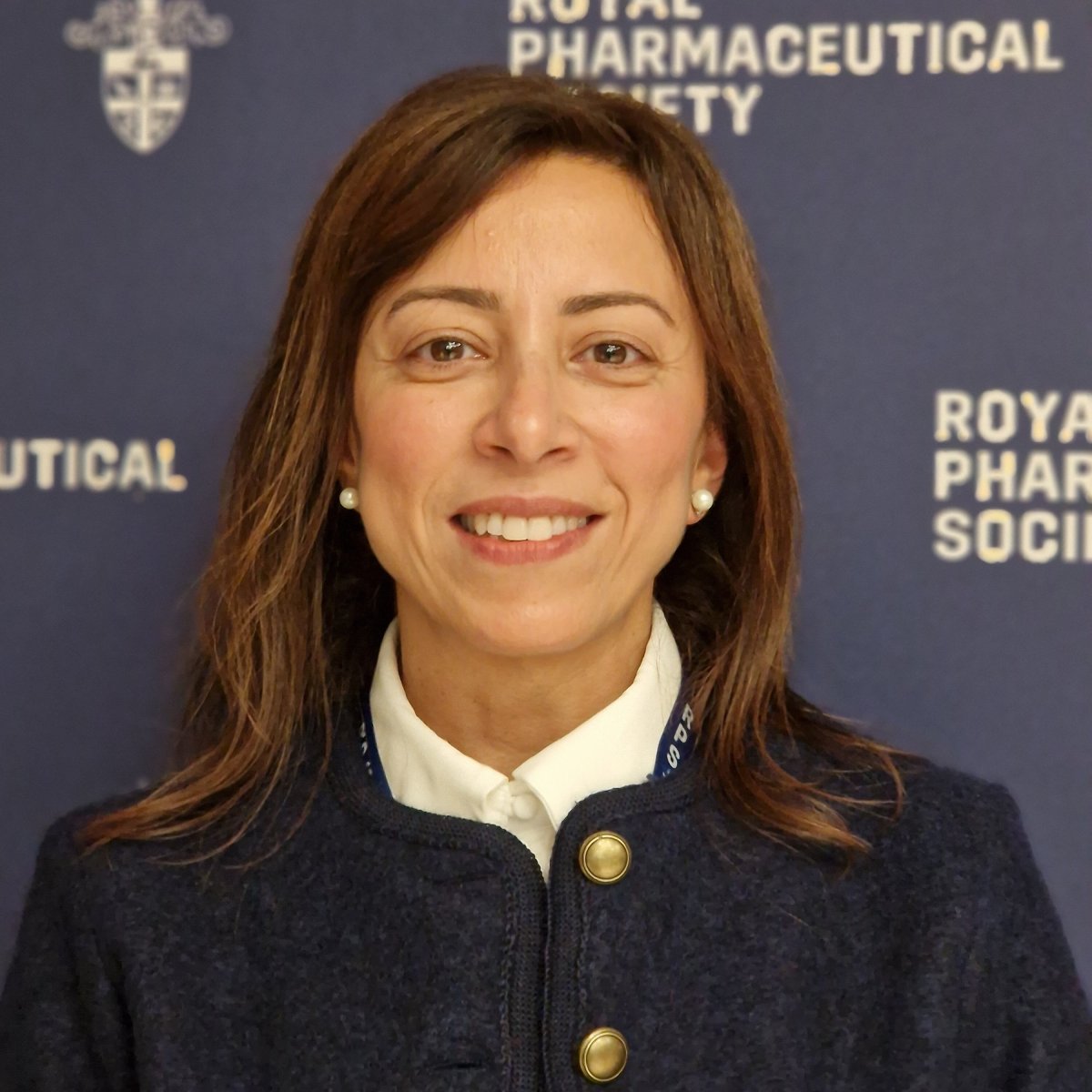
“Publishing turns local learning into shared progress, whether it’s a short practical piece, opinion article, research paper or knowledge synthesis via a more complicated systematic review and meta-analysis,” says Professor Amira Guirguis, chief scientist at the Royal College of Pharmacy.
“It’s invaluable for making insights visible, supports and enhances patient care, builds your professional profile and creates opportunities to connect with peers in education, service development and research,” says Professor Guirguis.
Publishing and conducting research are “essential in areas that are under-studied or poorly understood,” she says. “During the Covid-19 pandemic, timely publications of research were critical in disseminating emerging knowledge, guiding on public health strategies and developing novel therapies.
“In pharmacy, publishing shares world leading research, clinical expertise and best practice, supports workforce development, promotes evidence-based medicine and informs health policy.”
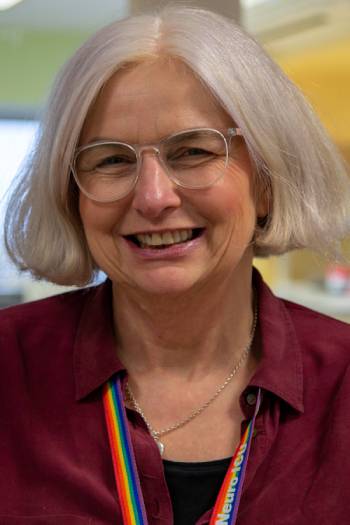
Professor Cathrine McKenzie, member of the RPS Science and Research Committee, says: “If you are lucky enough to hold a research fellowship from internship to full professorship, publishing and research output is expected and your ability to achieve this is a key aspect of future funding.
“Publishing in pharmacy focused journals give you a great opportunity for sharing your output and progress with your peers and is an excellent method of enhancing research culture in pharmacy.”
Where to publish
There are a variety of options on offer - from trade press to peer-reviewed journals - and a variety of different article formats to choose from, including practice articles and blogs.
“There isn’t one ‘right’ place - match your message to your audience,” says Professor Guirguis. “For practice-facing pieces with tips and take-homes for frontline teams, the pharmacy trade press is ideal. For service evaluations, audits and quality improvement, consider a short practice article or a structured report in pharmacy media. If you have hypothesis-driven research or evaluation using robust methods, look to peer-reviewed journals including the International Journal of Pharmacy Practice (IJPP).
“Blogs and professional websites are good for timely reflections or early learning, provided you’re clear, accurate and declare any conflicts,” she says.
Sources of ideas
Ideas for articles can come from all kinds of different sources.
Pharmacists can draw inspiration from “what is going on around them, what’s new, what’s changing, what’s not working, and what needs to change,” says Mr Stapleton. Pharmacists can also “speak to editors about what they are looking for,” and “look at the pharmacy press to see what’s relevant,” and they can also build on ideas in other articles, he says.
Ideas for articles could be about projects you are involved with, says Mr Najran. “It could be about something innovative you have been doing in practice.
"You may consider gathering ideas from reading various articles, potentially expanding on a specific topic, particularly one that aligns with recent updates in the national NICE guidelines."
For those newer to research, “the best ideas for publishing come from everyday observation and evaluation of practice, such as recurring patient queries, medicines optimisation, near-misses, service innovations, formulary changes, audit findings or learning from incident reviews,” says Professor Guirguis.
“Updates in national guidance and their implementation and gaps in existing literature are also rich sources. If you’ve changed something in your service and it worked – or equally important if it didn’t - that experience could provide valuable insights worth sharing,” she says.
What do editors want?
Editors look for “originality, relevance and utility,” says Professor Guirguis. “They want timely topics with clear implications for practice, accurate referencing and a balanced tone, so avoid promotional language.”
She says research articles should “demonstrate appropriate methods, transparency about limitations, and ethical approvals where required.” And practice pieces should offer “practical steps readers can apply straight away.”
Editors are also looking for articles that are “interesting, easy to read, and that engage their audience,” says Mr Stapleton.
Topics that are about innovation, support patient outcomes, and that will increase the reputation of the profession and the public’s perception of pharmacy will also appeal to editors, says Mr Najran.
Pitching and meeting a brief
“Editors commission to a brief so start by reading a handful of recent pieces in your target outlet. Then send a short email with the working title, two or three lines on the angle and audience, three key take-home points and any conflicts of interest,” says Professor Guirguis.
“If commissioned, stick to the word count, house style and deadlines. For journals, follow the author guidelines meticulously - structure, referencing style, ethics statements and patient confidentiality are non-negotiable,” she says.
If you have not been given a brief by the editor, “you could write the brief for them, asking them ‘is this what you want?’ - clarifying their expectations right at the start,” says Mr Stapleton.
Writing tips
When writing articles, “be clear, concise, and know your audience,” says Mr Stapleton. Preparation is key, and it is important to gather the facts and information about what you want to say, and to put them in some kind of order before you start writing your article, he says.
He advises writing an article with an introduction, middle and end, so the article flows. “Think of it as writing a story, and use your own voice,” he says. “I write the way I would explain something if I was talking to somebody. I try to write simply, so people can understand.”
“Stay focussed on the subject – don’t deviate away from the brief,” says Mr Najran. “If it’s a clinical article, stick to the facts, and use evidence from reputable sources.”
“Keep each piece focused on one clear message and answer the research question(s). Write in plain English, using short paragraphs and clear sub-headings, and lead with the ‘so what’ for patients and pharmacy teams,” says Professor Guirguis.
“Aim for clarity and precision: avoid vague sentences, support all claims with appropriate evidence or citations and use data sparingly, rounding and sourcing numbers for impact.
“Be cautious about generalising results, state limitations clearly and avoid overstating findings. Simple tables or figures can help explain complex points but avoid overcrowding. Finally, ask a colleague outside your specialty to check readability,” she says.
Navigating peer review (and handling rejection)
“Rejection is part of the process and should be expected,” says Professor Guirguis. “Read reviewer comments with curiosity rather than defensiveness and respond point-by-point, showing exactly what you’ve changed.
“If a journal declines your submission, it may simply be out of scope. Re-target to a better-matched outlet rather than shelving the work.
“In the media, editorial feedback is usually faster and more pragmatic, so embrace edits that make your piece clearer for a busy pharmacy readership,” she says.
“Be prepared to accept constructive criticism,” says Mr Najran. “Be flexible and open to ideas suggested by the editor.”
To first time authors and early career researchers, Professor Guirguis advises: “Start small and focused with one problem, one solution, and three take-homes. Co-author with a colleague to share the workload and strengthen clinical and methods input.
“Ensure ethical approval was obtained (if required), keep patient confidentiality paramount, declare conflicts of interest and never oversell results. Persistence matters - every submission improves your craft,” she says.
Being published is an opportunity for pharmacists to “have their voice heard, and to be part of the debate within the profession,” says Mr Stapleton.
To those considering getting published, Mr Najran says to “go for it”. “The worst case scenario is a ‘no’, the best case scenario is that your idea gets approved. You’ll never know unless you take that step. Have that confidence in yourself.”
He says getting published has allowed him to showcase his research with healthcare colleagues, including general practitioners, and to highlight the important role of pharmacists. “Being published has massively increased my career opportunities, and made me feel more competent and confident as a pharmacist."

Share:


In Learning
This is your ultimate guide to pharmacy learning. Here you can find modules, articles, scenarios and more to improve your knowledge and support your learning in the pharmacy.