



 10 Min
In Sponsored education
Learn from key healthcare brands with a range of sponsored education to help your understanding of how to use and advise on products in the pharmacy.
Bookmark
ACNE AFFECTS MORE THAN JUST THE SKIN; IT CAN DEEPLY INFLUENCE EMOTIONAL WELLBEING AND SELF-WORTH TOO.1
The emotional impact of acne can be significant, affecting self-esteem, social confidence and overall mental health,2 particularly during adolescence and young adulthood, when appearance and peer acceptance are especially important. With social media platforms idealising and promoting flawless skin via filtered imagery, young adults receive constant exposure to curated, edited images, which creates unrealistic standards of “normal” skin, which can lead to comparison and self-criticism.3
There is a significant correlation between body image satisfaction and a fear of being viewed negatively which causes social appearance anxiety.3 Many customers may find seeking help a daunting task. Therefore, it is important that pharmacy teams maintain the ‘safe space’ that pharmacy offers and endeavour to support these customers with advice and product recommendations.
IDENTIFYING ACNE
Acne most commonly develops on 3 main areas.
Among those that suffer with acne, this proportion of people most commonly suffer on theses 3 affected areas:4
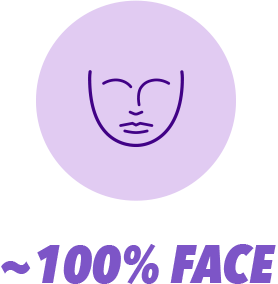
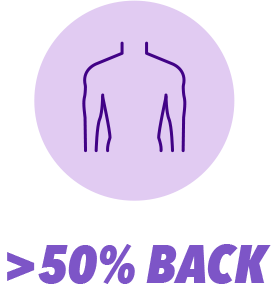
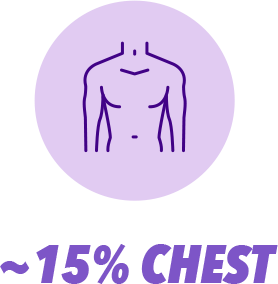
It is important to understand the various types of acne lesions, so that you can recognise the different levels of acne severity.
CLICK ON THE FLASHCARDS TO LEARN MORE.4,5
NORMAL SKIN
NORMAL SKIN
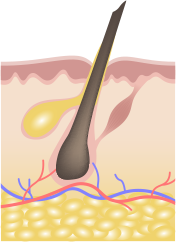
Normal, acne-free skin containing a sebaceous unit comprising of the hair follicle and the sebaceous gland, which is responsible for sebum production.
CLOSED COMEDONES – WHITEHEADS
CLOSED COMEDONES – WHITEHEADS
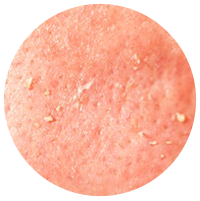
Comedones are also known as clogged pores. Acne formation starts when sebum and keratinous material shed from the skin, clogging up the pore and triggering bacterial colonisation, which leads to a closed or whitehead comedone
OPEN COMEDONES – BLACKHEADS
OPEN COMEDONES – BLACKHEADS
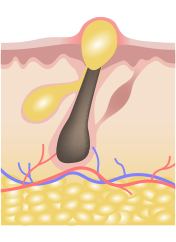
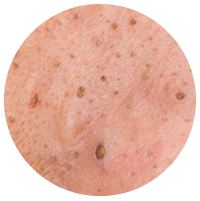
As the whitehead comedone continues to expand, owing to more accumulation of sebum and keratinous material, the follicular pore opens and forms an open or blackhead comedone. The black colour is the result of oxidised lipids and the skin pigment melanin – not dirt!
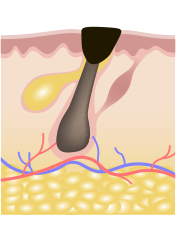
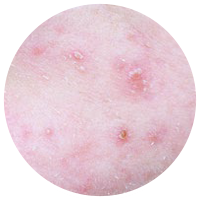
PAPULE
PAPULE
Papules are small red bumps that may feel tender or sore. They form when a comedone ruptures and the bacteria from inside the comedone is released into the layers of the skin. The skin and immune system respond leading to inflammation and redness.
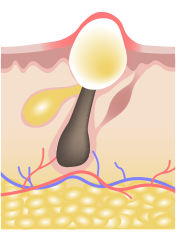
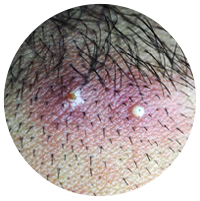
PUSTULE
PUSTULE
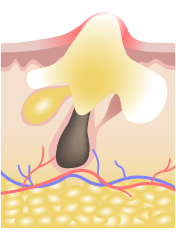
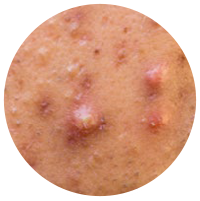
Pustules are similar to papules, but have a white tip in the centre. When the inflamed hair follicle attracts white blood cells in great numbers, this leads to a build up of white/yellow pus.
NODULE OR CYST
NODULE OR CYST
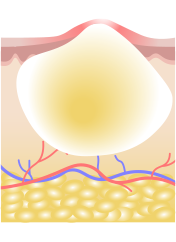
Severe acne can cause nodules and cysts, which is caused by the rupture of the follicle wall deep in the dermis which leads to inflamed and painful lumps.
NODULES – large hard lumps that build up beneath the surface of the skin which can be painful
CYSTS - the most severe type of lesion caused by acne; they're large pus-filled lumps that look similar to boils and carry the greatest risk of causing permanent scarring
Almost half of those suffering with acne will suffer from acne scars, with the risk increasing with acne severity.6 Acne scarring is one of the most persistent complications of acne, causing distress to the appearance and psychology of the sufferer.6 In order to reduce acne scarring, attention and effective therapy early in the course of acne is important.6 Equally, adhering to treatment and following recommendations and a good skin care regime is crucial to managing acne.

CAUSES OF ACNE
ABOUT 95% OF PEOPLE AGED 11 TO 30 ARE AFFECTED BY ACNE TO SOME EXTENT, HOWEVER IT OFTEN DISAPPEARS DURING THE MID-20S AND ONLY ABOUT 3% OF ADULTS HAVE ACNE OVER THE AGE OF 35.4
As mentioned in the video, sebaceous glands are particularly sensitive to hormones.4 In particular, increased levels of testosterone, which occurs during puberty, can cause the glands to over-produce sebum, leading to acne. However, testosterone is not limited to men; in fact, women are more likely to have adult acne than men. This may be due to changes in hormone levels that many women experience.4
IN WOMEN, FLARE-UPS CAN OCCUR:4
Just before menstruation
During pregnancy – typically during the first trimester
If the woman suffers from polycystic ovary syndrome – a common condition where cysts form inside the ovary.
However, there are other factors that can trigger flare-ups.
RECOGNISING TRIGGERS
CLICK ON THE RELEVANT IMAGES TO FIND OUT WHICH OF THESE FACTORS COULD BE A POTENTIAL CAUSE OF ACNE OR A FLARE-UP:4
COSMETICS
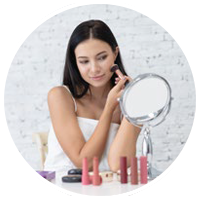
Some products can cause a flare-up, particularly if they are oil-based and contain fragrance.
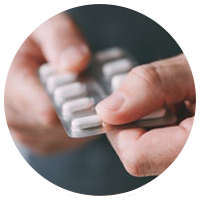
MEDICATIONS
Some medicines like steroids, lithium and some anti-epileptic medicine can trigger a flare-up.
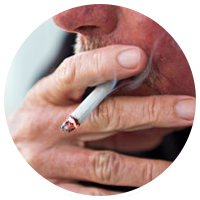
SMOKING
Smoking can contribute to acne in older people particularly.

DIET
Diets with a high glycaemic index (GI) can contribute to acne. These include foods that contain carbohydrates that rapidly raise blood glucose levels. Foods with a high GI include sugar-sweetened drinks and bakery items such as donuts and bagels.7

POOR HYGIENE
While poor hygiene can exacerbate acne, it is not a direct cause and the general cleanliness of skin has no effect on acne. In fact, washing the face more than twice a day could aggravate the skin.

SEXUAL ACTIVITY
Sexual activity does not influence acne.

GENETICS
Acne can run in families and if both parents have had acne, they are more likely to get more severe acne at an early age.

CONTRACTING FROM OTHERS
Acne is not infectious or contagious.
These triggers may influence the presence of bacteria, clogged pores and excess oil; the 3 causes of acne.
Although some of the causes of acne can be avoided, many factors are non-modifiable. There are many self-help techniques that your customer could find useful to help or prevent worsening of their acne. You can share the following advice with customers:
| DON'T | DO |
|---|---|

Wash the affected areas more than twice a day as frequent washing can irritate the skin and worsen symptoms4 |

Completely remove make-up before going to bed4 |
|
Use very hot or cold water as it can worsen acne4 |
Use fragrance-free, water-based emollient products, particularly if skin is dry.4 Adopt a simple skincare regime using products suitable for acne-prone skin. (See below for more information) |
|
Pop or squeeze spots or ‘clean out’ blackheads. This can worsen acne and lead to permanent scarring4 |
Exercise - it can help to boost mood and improve self-esteem. Advise customers to shower as soon as possible after exercising as sweat can irritate acne4 |
|
Use cosmetics or skincare that is comedogenic (tends to clog pores, e.g. oil-based products). Instead, look for non-comedogenic options4 |
Wash hair regularly and try to avoid it falling over the face4 |
|
Consume food with a high GI index, e.g. refined carbohydrates such as white bread and sugar-sweetened foods and drinks5,7 |
Choose foods with a lower GI, such as fresh fruits and vegetables, rye bread and basmati rice5,7 |
Although following these tips will most likely help their acne, many customers will require medicinal treatments to help improve the appearance of their skin. Although there is no cure for acne, there are acne treatments available over the counter in pharmacy that can help your customer.4

The Acnecide range contains benzoyl peroxide (BPO) which works as an antibacterial, reducing the number of bacteria on the surface of the skin. It reduces the number of whiteheads and blackheads.4 Acnecide also contains acrylates copolymer which absorbs sebum, and glycerol which helps prevent dryness and protects the skin from irritants.
ACNECIDE TARGETS THE 3 CAUSES OF ACNE:

BACTERIA
KILLS UP TO 95% OF ACNE-CAUSING BACTERIA IN JUST ONE WEEK8-10

CLOGGED PORES
HELPS TO UNCLOG BLOCKED PORES

EXCESS OIL
TARGETS EXCESS OIL BY ABSORBING SEBUM
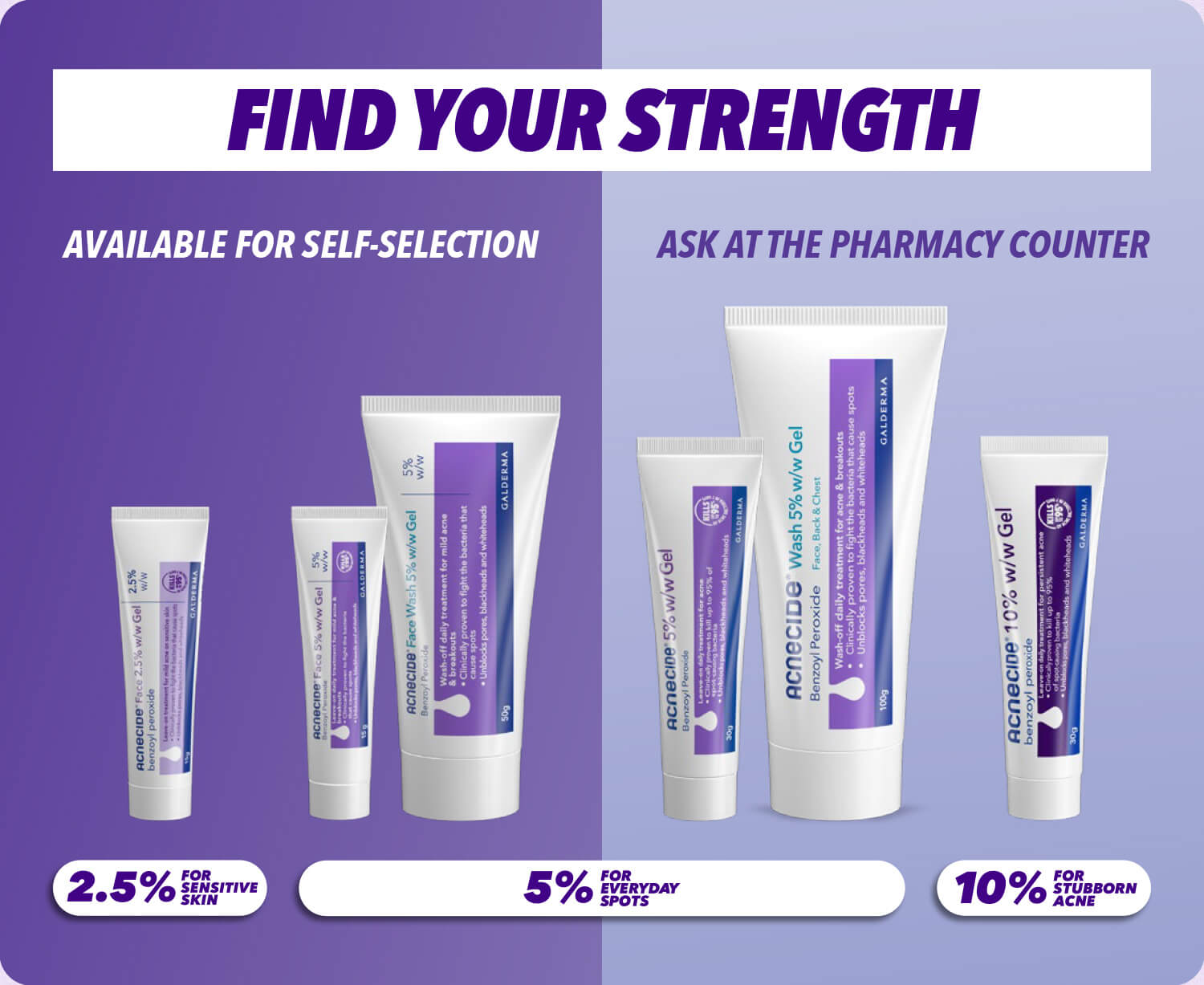
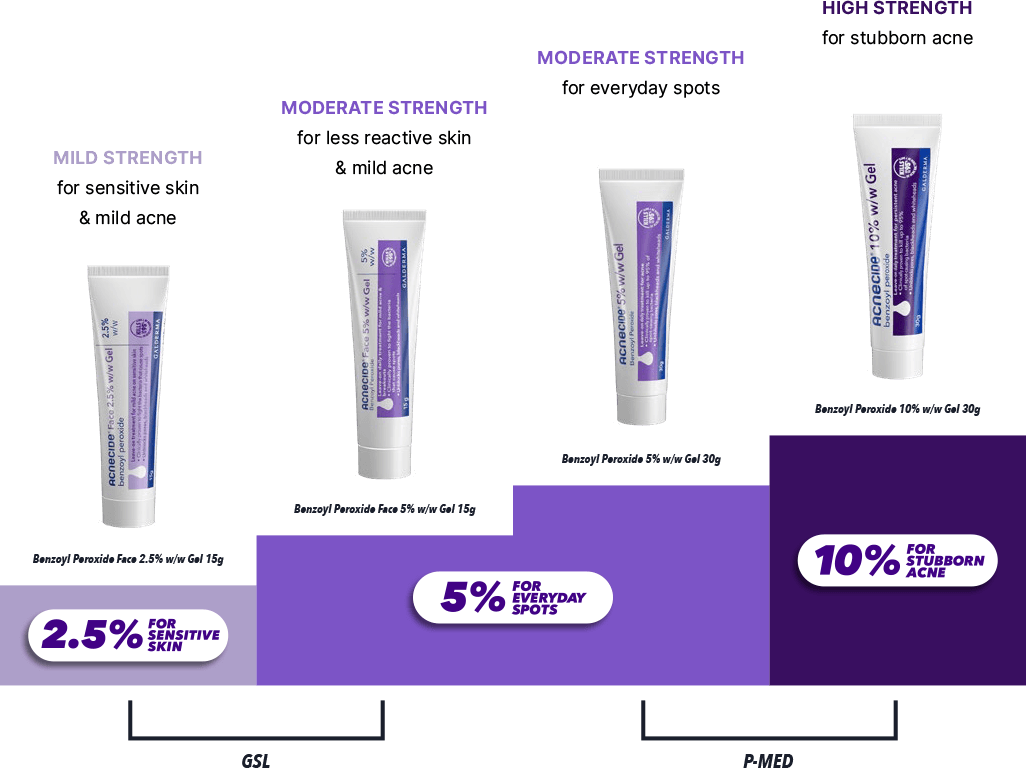
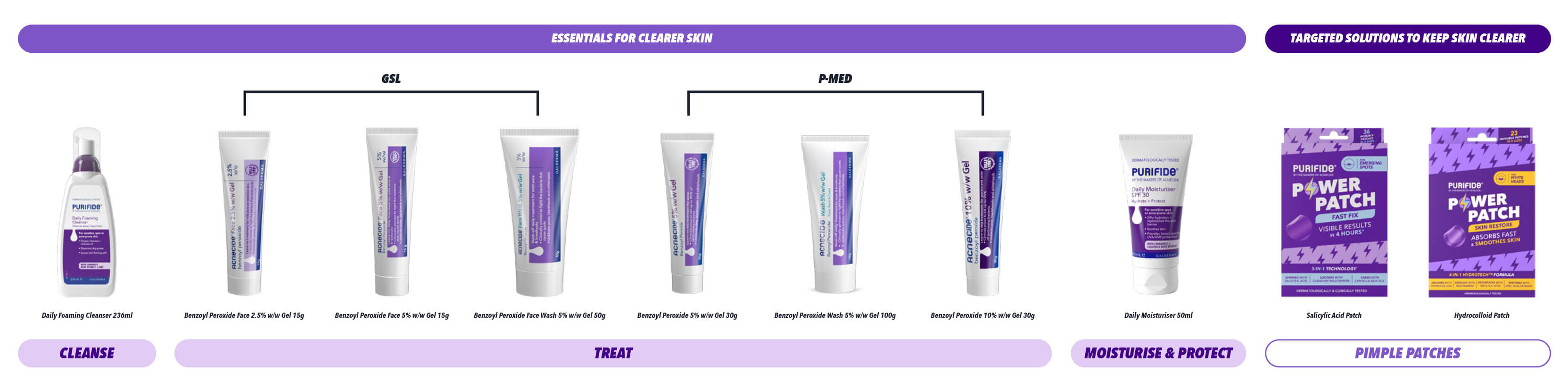
ACNECIDE IS NOW AVAILABLE IN 3 DIFFERENT STRENGTHS, PROVIDING MORE CHOICE FOR YOUR CUSTOMERS.
IT IS RECOMMENDED TO INITIATE TREATMENT WITH BENZOYL PEROXIDE 2.5 OR 5%.
In case adequate results are not achieved with the 5% gel and the 5% gel is well tolerated, treatment with benzoyl peroxide 10% gel may be started. The wash-off treatment should not be used concurrently with the leave-on treatments, and which format you recommend should depend on the patient's treatment preference. There is limited data on the use of benzoyl peroxide in pregnancy and breastfeeding and women should be advised to speak to their doctor or pharmacist before use.
CLICK THROUGH THE CAROUSEL TO LEARN MORE ABOUT WHO THEY MAY BE SUITABLE FOR.
NEW ACNECIDE 2.5% GEL
LEAVE-ON treatment for MILD acne & breakouts on sensitive skin
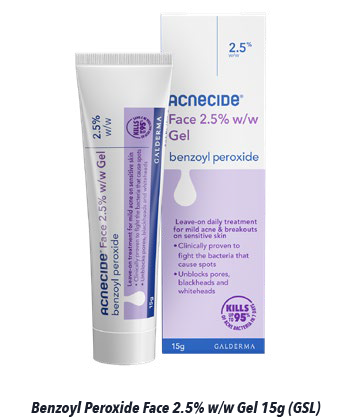
Suitable for first time users of Acnecide or for those who want a milder strength of benzoyl peroxide
Daily treatment for regular breakouts for reactive skin for adults and adolescents aged 12 years and over
Before each application, the skin should be cleaned and dried carefully. When first used, a thin layer should be applied once daily to the acne-affected areas before going to bed. After 2-3 days, if the treatment is well tolerated, the frequency of application can be increased to twice daily, in the morning and evening. Customers with sensitive skin should apply the gel once daily before going to bed
Contains glycerol which helps prevent skin dryness
ACNECIDE 5% GEL
An effective, medicated LEAVE-ON treatment gel for EVERYDAY SPOTS on face, back or chest
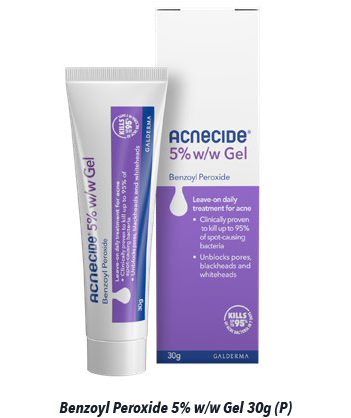
Suitable for less reactive skin and established Acnecide users*
Daily leave-on treatment
Before each application, the skin should be cleaned and dried. A thin layer should be applied once or twice daily or as directed to the affected areas
Also available as 15g GSL which is suitable for mild acne of the face only
* 5% to be used when 2.5% was not sufficient
ACNECIDE 5% WASH
An effective, medicated treatment WASH-OFF treatment for MILD-MODERATE acne on face, back or chest, where comedones and papules predominate
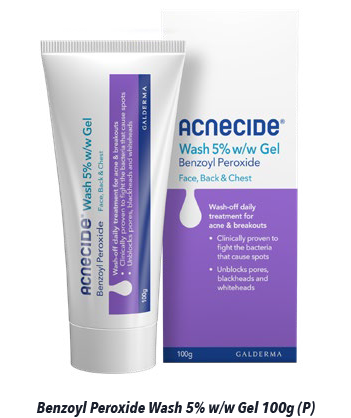
Daily wash-off treatment for adults and adolescents aged 12 years and over
Unless otherwise directed, the wash should be applied once or twice daily to cover the affected skin areas. Wet the area to be treated, apply the preparation to the hands and wash the affected area with the gel. Contact time with the skin should be 1 to 2 minutes followed by thorough rinsing with water and drying
Also available as 50g GSL which is suitable for mild acne of the face only
* 5% to be used when 2.5% was not sufficient
NEW ACNECIDE 10% GEL
LEAVE-ON treatment for STUBBORN acne for the face, chest or back
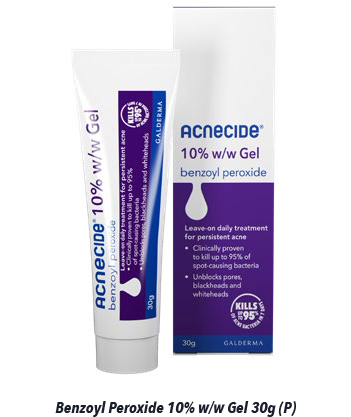
Daily treatment for stubborn skin for adults and adolescents aged 12 years and over
Before each application, the skin should be cleaned and dried. A thin layer should be applied once daily or as directed to the affected areas
It is recommended to initiate acne treatment with benzoyl peroxide 2.5 or 5% gel first, before trying the 10% gel. In case adequate results are not achieved with the 5% gel and the 5% gel is well tolerated, the treatment with benzoyl peroxide 10% gel may be started
This strength is only available OTC, under the supervision of a pharmacist
A ROUTINE WHEN USING BPO
When getting started with Acnecide BPO products, the skin might need some time to adjust to the treatment. It’s important to introduce Acnecide gradually to allow the skin time to get used to the effects. It is important to emphasise to your customer that using more product or introducing it too quickly will not clear skin faster.
During this initial phase it’s not unusual for skin to show signs of adapting, such as:
Slight tightness
Peeling
Mild redness
Increased sensitivity to sunlight
Dryness
As Acnecide may cause increased sensitivity to sunlight, sunlamps should NOT be used and deliberate or prolonged exposure to sunlight or UV radiation should be avoided or minimised. When strong sunlight cannot be avoided, patients should be advised to use a sunscreen product and wear protective clothing.
These effects can be managed by using Acnecide BPO as part of a CLEANSE, TREAT, MOISTURISE and PROTECT routine.
BUILDING A CLEANSE, TREAT, MOISTURISE & PROTECT ROUTINE
ACNECIDE WORKS TO TREAT THE 3 CAUSES OF ACNE, AND IT IS KEY TO HAVE A GOOD SKINCARE ROUTINE IN PLACE TO PROTECT THE SKIN WHILE TREATING ACNE.
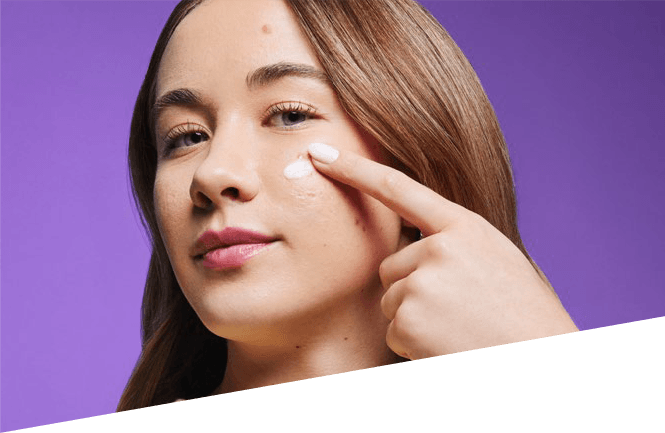
Using Purifide alongside Acnecide as part of a simple daily skin care routine can help with a 72% reduction in spots after 12 weeks if consistent with the regime.10
Mild, soap-free cleanser for blemish-prone skin
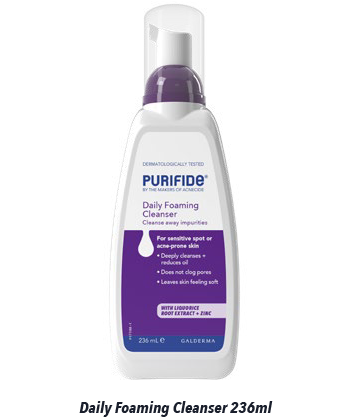
Formulated with glycerin, liquorice root extract, and zinc; soothing, skin-conditioning ingredients that help support and protect the skin barrier rather than strip it, making it useful when using BPO that could dry or irritate the skin
Reduces oil and shine
Leaves skin feeling deeply cleansed, healthy and soft
Non-comedogenic and gentle on sensitive skin
Dermatologically tested on sensitive, spot-prone skin
Choose the appropriate formulation and strength of Acnecide with your customer
For sensitive spot-prone skin - UVA/UVB broad-spectrum protection with no white cast
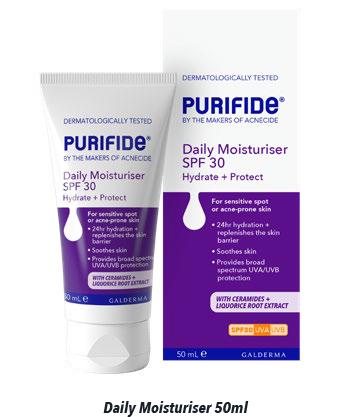
Treatment with active ingredients like benzoyl peroxide can compromise the skin barrier. Moisturising with an SPF is important to reduce the risk of damage associated with UV exposure
Hydrates, soothes and strengthens the skin barrier using a combination of ceramides, liquorice root extract and allantoin; all known for their calming and barrier-repair properties
Helps protect against UV damage, uneven tone and dark marks
Non-comedogenic and dermatologically tested on sensitive, acne-prone skin
TARGETED SOLUTIONSFOR SPOT-PRONE SKIN
PURIFIDE POWER PATCHES
The Purifide Power Patch range is designed to tackle two types of spots,
with Purifide Fast Fix ideal for emerging spots and Skin Restore designed for whiteheads.
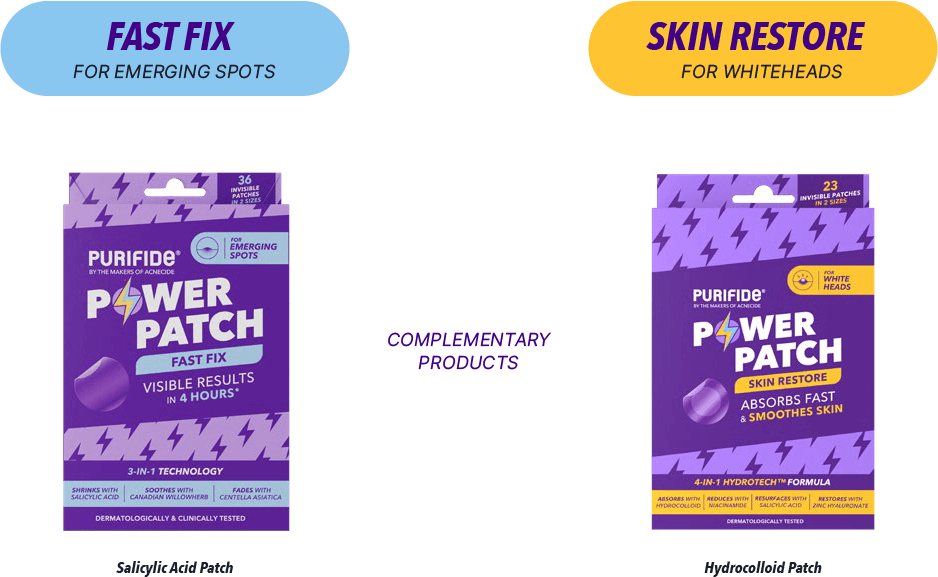
For some customers, the combination of the Acnecide 5% Gel and the Purifide Power Patch Fast Fix can be an effective regime. In clinical studies, 91% found that the routine visibly improved the appearance of skin's tone and texture.
Although acne can take time to improve, your customer should be refered to their doctor if they are suffering with:
Severe psychological distress
Severe side effects to treatment – redness, peeling
Large, painful and deep lesions
Failure to respond to OTC treatment
Some pharmacies offer an acne treatment service which may involve the provision of prescription-only treatment. Refer your customer to your pharmacist for further advice on this, should your customer require further treatment options.
CUSTOMER SCENARIO
NOW, APPLY YOUR KNOWLEDGE TO THE FOLLOWING CUSTOMER SCENARIO.

14-year-old Adam has come into the pharmacy with his dad and asks to speak to you privately. He is wearing a large baseball cap and is burying his face into his oversized hoodie. In the consultation room, you notice that Adam has a papules and pustules on his forehead and cheeks and blackheads on his nose. He has no medical conditions and takes no regular medicines.
His dad says: “Adam is clearly going through puberty, but he feels like he needs something for his spots. I’ve told him they will go away and to just leave it alone, but he is so consious of them that he doesn’t even want to go to school. Can you please tell him that this is normal and to just ignore it?”
Adam looks visibly uncomfortable and is avoiding eye contact.
WHAT WOULD YOU DO NEXT?
Tell Adam that his dad is right; he is wrong to feel self-consious and should ignore the issue.
Assure Adam that acne is common during puberty and usually self-resolves, and ask him how his acne is making him feel and what he has done to help himself so far.
INCORRECT!
Invalidating Adam’s feelings could make him feel worse and could result in him not trusting the pharmacy and seeking alternative help
CORRECT!
Acne can have a significant impact on mental health and wellbeing. This is particularly important as you can see that Adam wants to socially isolate. Asking him what he has tried so far can help you tailor your suggestions.
Adam tells you: “My skin never used to bother me, but over the last few weeks, I’ve noticed a real change with the spots on my face. My friends post photos on Instagram and their skin looks amazing which makes me feel horrible – why can’t my skin look like that! I bought the Acnecide 2.5% gel which has helped a little but there are so many products available I just don’t know what to do.”
WHAT WOULD YOU DO NEXT?
Tell Adam that he should delete his social media if it bothers him and to stop using the gel as it will go away on it’s own.
Reassure and empathise with Adam, and discuss a Cleanse, Treat, Moisturise and Protect plan with him alongside some self-care techniques.
INCORRECT!
Removing social media will not solve the issue and could result in further social isolation. There are also other treatment options available for him
CORRECT!
Social media does have it’s place but can lead to unrealistic beauty standards that can affect self-esteem. There are other treatment options and advice that you can offer Adam that can help his acne.
Adam appears relieved that he has been listened to and eagerly asks for more information. After offering some self-care advice and advising him against some of his triggers, you consider the ACNECIDE and PURIFIDE ranges.
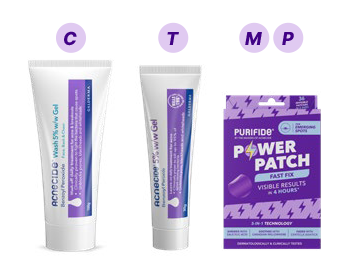
WHICH COMBINATION WOULD
YOU RECOMMEND TO ADAM?
CORRECT!
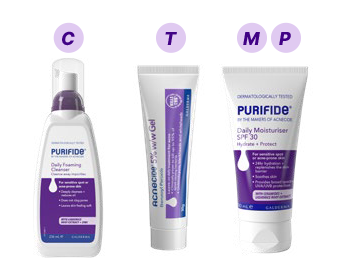
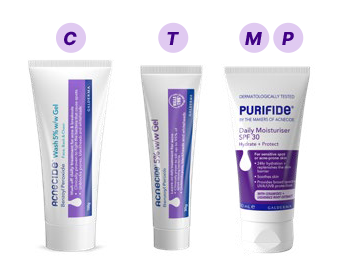
This strength (benzoyl peroxide 5%) will work well to treat his mild-moderate acne, as a level up from the 2.5% gel. The cleanser will be gentle enough to support the treatment whilst the moisturiser will help to hydrate and protect the skin.
INCORRECT!
Acnecide gel and wash should not be used at the same time
INCORRECT!
The Acnecide gel and wash should not be used together, and the power patches will not offer hydration or protection.
You advise Adam on how to use the range of products. You tell him to return to the pharmacy if he has any questions and to let you know how he is getting on with the regime as adjustments can always be made.
He seems much more hopeful and thanks you for your help.

CONSIDER THE ACNECIDE & PURIFIDE PORTFOLIO AND TAILOR YOUR CUSTOMER CONVERSATIONS.


Content developed by Galderma in association with CIG Healthcare Partnership.
© 2026 CIG Healthcare Partnership
January 2026