




 3.2 The GLP-1s
3.2 The GLP-1s
Gut hormones known as incretins (glucagon-like peptide/GLP and glucose-dependent insulinotropic polypeptide/GIP) are released after eating and the GLP-1 drugs mimic their effects (Figure 1):
- Increase stimulation of the pancreas to release insulin (hence their use in T2 diabetes)
- Make food stay in the stomach for longer so that the person feels full for longer
- Reduce appetite and feelings of hunger
- Lower the amount of glucose made by the liver as well as inhibiting glucagon release
- Reduce the anticipated pleasure of eating previously enjoyable foods (particularly high fat, energy-dense foods) through the dopamine reward system.
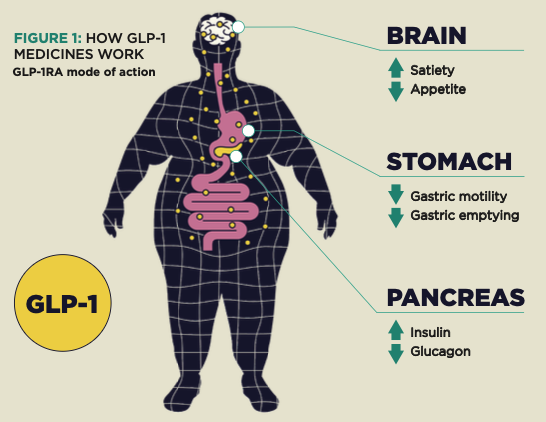
Semaglutide, liraglutide, and orforglipron mimic the gut hormone glucagon-like peptide-1 and are known as GLP-1 receptor agonists (GLP-1RAs). Tirzepatide is also an agonist for glucose-dependent insulinotropic peptide (GIP).
GLP-1 receptors are found in many parts of the body, not just the pancreas and gut, but mainly in the heart, blood vessels, immune system and brain. So the actions of GLP-1s go far beyond those on glucose homeostasis and weight loss, and include cardioprotective, neuroprotective and broad anti-inflammatory effects. This is why so much attention is being paid to future wider use with clinical studies in a range of disease areas.
Cardiovascular outcome trials for semaglutide have shown a reduction in MACE (major atherosclerotic cardiovascular events — cardiovascular death, MI and stroke). Trials that also focused on renal function have shown benefit in CKD and there is a growing evidence base in heart failure and alcohol reduction.