



 9 Min
9 Min In Profession news

Follow this topic

Bookmark

Record learning outcomes
This summer, for the first time in the profession's history, newly registered pharmacists in the UK will qualify as independent prescribers from day one. A generational shift, years in the making — but are they ready for what lies ahead?
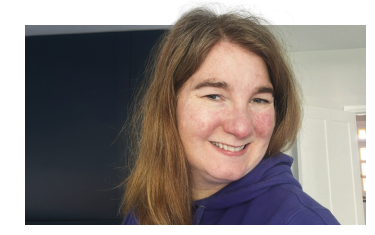
Sarah Trust (above) is lead pharmacist at Deans and Central Brighton PCN and has worked with pharmacy students for several years. As a designated prescribing practitioner supervising trainee pharmacists, her verdict is that they are more than ready. “They are very clinically assured,” she says, “and they understand clinical pharmacy a lot better than I did at their stage.”
But what about the trainees themselves?
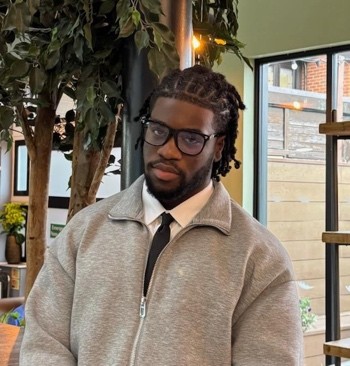
Ewoma Ayetuoma studied at the University of East Anglia and is completing his training year at North Bristol NHS Trust and MJ Williams Kellaway Pharmacy.
When you register, do you think you’ll consider community pharmacy, or are you looking elsewhere?
I plan on staying in community pharmacy and working part time so that I can also locum, because of the possibility of prescribing in community pharmacies in my region – the South West – especially. I’d like to be involved in the prescribing pilot that has been set up in Bedminster Pharmacy in Bristol.
With no NHS prescribing service in community in England yet, but expected soon, what will you do if you can’t prescribe in your first year?
If I am unable to prescribe in the first year I will still aim to work on my competence through independently finding shadowing opportunities and continuing to work on my skills by undertaking Pharmacy First consultations.
Are you nervous to prescribe, or are you feeling well prepared?
I feel quite well prepared and not nervous to prescribe as I feel through my training I have obtained a good understanding of my limits and current scope of competence, as well as the responsibilities of a prescribing pharmacist and the necessary governance.
Are there any aspects of your training you think have been missing, or areas where you would still like some support?
I think physical examination skills outside of regular blood pressure and NEWS2 monitoring would be an aspect that I need to work on further. Apart from a few shadowing opportunities and a workshop by Pharmacy Workforce Development South commissioned by NHSE, I haven’t had a lot of opportunity to practise or be tested on my physical examination skills, although I may not necessarily use them.
Do you feel confident and competent about what your future career in pharmacy holds?
Yes, I feel confident for my future career in pharmacy
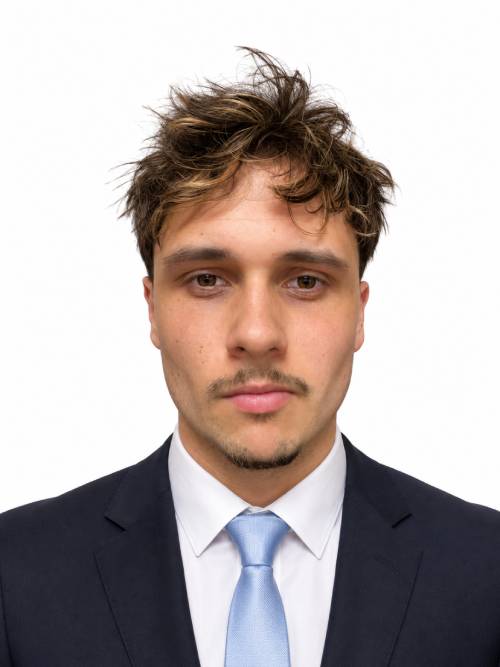
Milan Raynier studied pharmacy at the University of Bath and has spent his training year with a split placement at Worthing Hospital and a GP practice in Brighton, with Sarah Trust as his DPP.
Do you feel the weight of expectation about being the first graduate pharmacist prescribers?
Yes, there is more expectation, but it really depends on your setting and how much you are going to use your prescribing when you qualify. My area was cardiology. I spent three months with my DPP in GP practice working through blood pressure and lipid management with patients. It was really interesting – it has made me a lot more confident when it comes to prescribing.
When you register, do you think you’ll consider community pharmacy, or are you looking elsewhere?
I do want to work in community at some point, because I think it is important to get a wide range of skills across different settings. However, as a newly qualified pharmacist, I think it is good to stay in an environment that is familiar and with a team of experienced people around you. My ideal scenario is to stay in hospital, build really solid clinical knowledge, and then branch out depending on how I feel further down the line.
With no NHS prescribing service in community in England yet, but expected soon, what will you do if you can’t prescribe in your first year?
I think it is important for us, as the first cohort of prescribers, to come out and have some actual prescribing activity happening in the first year post-qualification. The pharmacists who might struggle are those who’ve qualified as independent prescribers but go into roles where they won’t be required to prescribe for maybe a long time.
Are you nervous to prescribe, or do you feel well prepared?
I feel well prepared, largely because I’ve been very lucky with my training and my designated prescribing practitioner. She walked me through everything really thoroughly. I can’t speak for all trainees, but within my trust there is generally a good level of confidence around the prescribing rotation. The minimum training requirement is 90 logged hours, but realistically most of us have done considerably more than that.
Are there any aspects of your training you think have been missing, or areas where you would still like some support?
The support has been very good, but one challenge that affected a lot of trainees across the board was finding a DPP willing to take you on. I also didn’t get to choose my prescribing area, which I think is a shame. Who you end up working with, and what their specialism is, can really shape what you learn.
Do you feel confident and competent for what your future career in pharmacy holds?
Yes, I do. The foundation training year for pharmacists is intense, and my advice to anyone would be to invest in your working relationships early. In the first few weeks I made a real effort to get to know the whole pharmacy team. Building those relationships meant that when I had questions or queries, I had people I felt comfortable going to. That makes an enormous difference to how you learn and how quickly you progress. It applies in any setting – community pharmacy included.
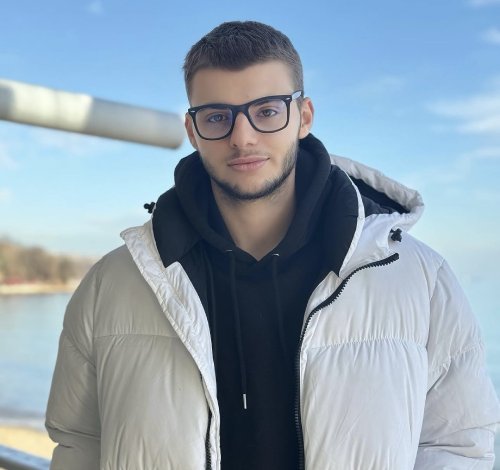
Veniamin Tenev studied pharmacy at the University of Nottingham and did his foundation training in community pharmacy at the Henbury Day Lewis branch in Bristol.
Do you feel the weight of expectation about being the first graduate pharmacist prescribers?
I definitely think there is a level of expectation around being part of the first cohort of pharmacist prescribers because we have to use our professional judgement when prescribing medications for patients and because the liability falls on us as prescribers. However, at the same time, I try to see it more as an opportunity to help shape the future role of pharmacists and show the value we can bring as prescribers to reduce the load on other NHS healthcare professionals like GPs.
When you register, do you think you’ll consider community pharmacy, or are you looking elsewhere?
I haven’t fully decided. I have enjoyed the community placement experience because I’ve learned a lot and locuming might be my thing, but I would love to put myself in ‘GP land’ for a couple of months as well as hospital to have different experiences.
With no NHS prescribing service in community in England yet, but expected soon, what will you do if you can’t prescribe in your first year?
Even if there isn’t immediate access to prescribing opportunities in my first year, I still think the qualification will influence the way I practise: it improves clinical reasoning, consultation skills and confidence in decision-making. I’d also look for roles or additional training that allow me to keep developing those prescribing skills until wider services become available.
Are you nervous to prescribe, or do you feel well prepared?
I think a certain level of nervousness is healthy when it comes to prescribing because it is such a significant responsibility. But overall, I do feel reasonably well prepared. Our prescribing training has pushed us to think more clinically and independently, and placements have helped build confidence in patient-facing decision-making.
Are there any aspects of your training you think have been missing, or areas where you would still like support?
I would say that it matters what kind of a designated prescribing practitioner you have assigned to you. Some people do specialist prescribing – for example, hypertension or orthopaedics – but I did minor ailments. This was really useful for my knowledge, but it was mostly to do with Pharmacy First PGDs and maybe more focused on OTC treatments, which I feel community pharmacists are quite familiar with already.
Do you feel confident and competent for what your future career in pharmacy holds?
The profession is evolving quickly, and there are far more opportunities now to work clinically and have a direct impact on patient care. I think there’ll definitely be challenges as our prescribing role develops – but I’m optimistic about where pharmacy is heading and the part pharmacists can play within the wider healthcare team.
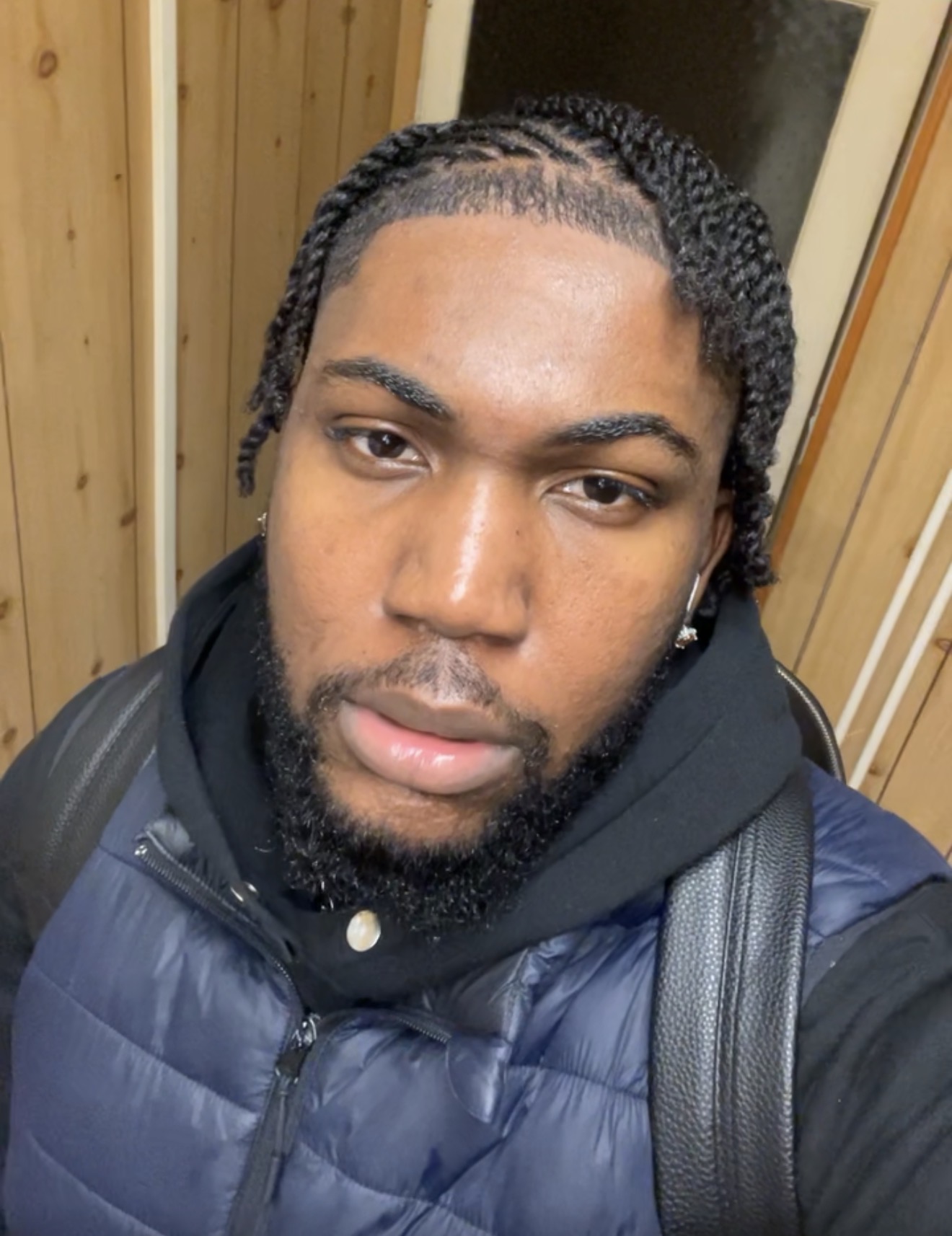
Emeka Onwudiwe studied pharmacy at the University of East Anglia, and is currently completing a training year in Dorset with a six-month rotation in community pharmacy followed by six months in hospital.
Do you feel the weight of expectation about being part of the first graduate pharmacist prescribers?
I definitely feel there is an expectation for us to have a seamless transition into becoming the first batch of qualified pharmacists who are also prescribers. However, I believe it is an expectation that we should embrace and thrive on. There is a real opportunity for us to demonstrate the value pharmacists can bring when we are able to take greater ownership of patient care through prescribing.
When you register, do you think you’ll consider community pharmacy, or are you looking elsewhere?
My long-term goal is to implement my prescribing qualification within dermatology in primary care. I would like to develop dermatology services within the community setting and use prescribing as an additional service that improves patient access to treatment and specialist support.
Alongside this, I also have ambitions to eventually open my own private dermatology clinic. Community pharmacy definitely still interests me because I believe it has enormous potential for clinical services and prescribing in the future, particularly as pharmacists become much more integrated into frontline patient care.
With no NHS prescribing service in community in England yet, but expected soon, what if you can’t prescribe in your first year?
I think even if prescribing opportunities are initially limited, there are still many ways to continue developing clinically and preparing for future prescribing roles.
I would continue building my dermatology knowledge and clinical experience through consultations, collaborative working with other healthcare professionals and additional training opportunities.
I also think prescribing is not just about physically issuing prescriptions – it is about clinical decision-making, patient assessment, communication and understanding when escalation is appropriate. These are all skills that can still be developed regardless of whether formal prescribing services are immediately available.
Are you nervous to prescribe, or are you feeling well prepared?
I feel prepared overall, mainly because of the support and exposure I have received during my training year. My DPP has given me increasing independence and confidence by allowing me to help run different dermatology clinics under her supervision.
Are there any aspects of your training you think have been missing, or areas where you would still like some support?
One area I think would benefit pharmacist trainees is having even more structured opportunities for independent clinical decision-making earlier in their training. I also think ongoing mentorship after qualification will be extremely important for newly registered pharmacist prescribers.
Additionally, more integration between hospital and community sectors could further strengthen training because it would help trainees understand the complete patient journey and improve continuity of care.
Do you feel confident and competent about what your future career in pharmacy holds?
I think pharmacy is moving in a very exciting direction indeed, especially with the development of independent pharmacist prescribing and more clinically focused roles.
My foundation training year has helped me appreciate the impact pharmacists can have on patient care, and it has reinforced my ambition to develop specialist expertise in dermatology. I feel motivated by the opportunities ahead and excited to continue growing both clinically and professionally.
| Are you a trainee pharmacist? | |
|---|---|
|
Get in touch with us at pm@1530.com and let us know if you feel prepared for the prescribing role.
|

Share:


In Profession news