


Puberty blockers trial to proceed after legal challenge quashed
Arthur Walsh,
03 Aug 2026 2 Min
2 Min

Arthur Walsh,
03 Aug 20262 Min
Arthur Walsh,
03 Aug 20262 Min


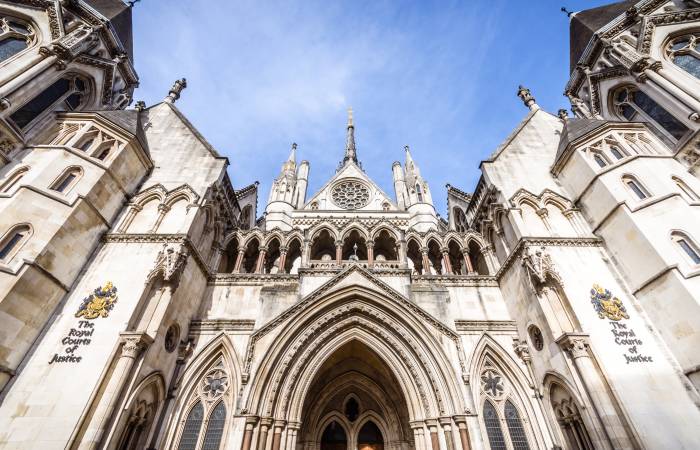
A King’s College London (KCL) trial assessing the risks and benefits of puberty blockers can go ahead after the High Court quashed a legal challenge from campaigners.
Following the Justice Martin Chamberlain’s July 31 rejection of a challenge brought against the Health Research Authority (HRA) and Medicines and Healthcare products Regulatory Agency’s (MHRA) decisions to grant a clinical trial into puberty-suppressing hormones (PSH), the Pathways trial at KCL was permitted to start recruiting over 220 children aged between 11 and 16 from August 1.
Justice Chamberlain said none of the campaigners’ claims had “a realistic prospect of success”. He found that NHS England (NHSE) and its co-sponsors of the trial had designed it “with conspicuous care,” adding that each patient who takes part in the trial will have been “assessed over many months by specialist doctors” and that in each case the clinical team “will have formed the opinion that the child has a reasonable prospect of receiving a clinical benefit from the treatment”.
The Pathways trial was commissioned after an NHSE-commissioned report by paediatrician Dr Hilary Cass in 2024 found that the evidence base for the use of PSH in children and young people to treat gender dysphoria was severely lacking, leading to the cessation of the routine prescription of these drugs for this purpose on the NHS and an indefinite ban on their private prescription.
HRA chief executive Dr Matt Westmore said: “High profile studies like this will always attract extra scrutiny and we welcome the opportunity to assure the public of the safeguards put in place.
"The checks that we carry out, alongside the independent ethics review process, ensure the interests of participants are put first, and that the research is safe and ethical."
A KCL spokesperson said the trial has been “carefully designed” to provide “much-needed evidence” about the potential risks and benefits of using PSH to treat gender dysphoria on the NHS.
“A small number of young people with long-term gender incongruence, who have already received comprehensive psychological and social support through NHS gender services, will be eligible,” the university added.
Bayswater Support, a grouping for parents of gender-questioning children and an unsuccessful claimant in the legal proceedings, said it was “deeply disappointed” by the decision and claimed “fundamental questions” remain as to “whether the protective framework for minors has been properly observed”.
The Pathways trial was initially scheduled to commence in January this year but was delayed pending the resolution of the legal challenge.