


‘No clear relief for pharmacies’: Autumn Budget confirms 4% living wage hike
Arthur Walsh,
28 Oct 2026 2 Min

Arthur Walsh,
28 Oct 20262 Min
Arthur Walsh,
28 Oct 20262 Min


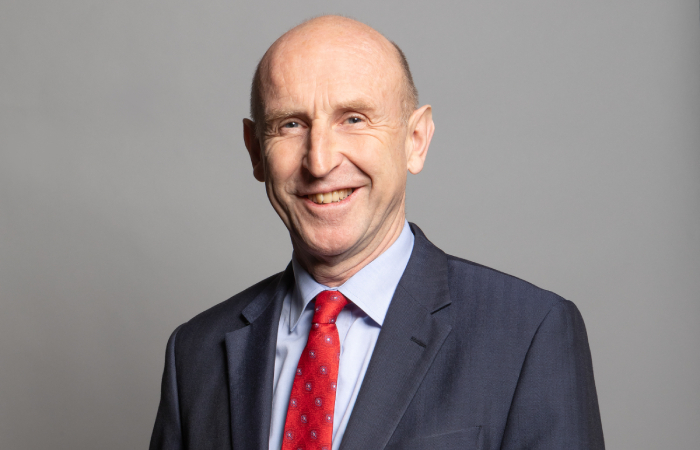
Chancellor John Healey has confirmed in his Autumn Budget that the national living wage and national minimum wage will both rise by 3.9 per cent next April.
This will see over-21s paid £13.21 an hour, 50p higher than the current rate of £12.71, with the rate for 18-20-year-olds to rise from £10.85 to £11.27.
The chancellor also announced plans to increase the threshold for small business rate relief for retail, hospitality and leisure firms from £12,000 to £18,000, which will mean a further 70,000 businesses pay no rates, and to freeze rates for other firms in these sectors for two years.
His budget also revealed there will be an independent review into NHS productivity and the potential of artificial intelligence to help cut down on administrative work so health professionals can spend more time with patients.
Commenting on the Autumn Budget, Community Pharmacy England chief executive Janet Morrison said the measures bring “no clear sign of relief for pharmacy owners,” adding that minimum wage hikes “will place yet another significant cost burden on community pharmacies”.
National Pharmacy Association chief executive Henry Gregg said: "With the Government rightly focussed on everyday fixes for millions of people, they need to remember that community pharmacies are the bedrock of our communities and the neighbourhood health service and support them accordingly.
"It is good news that the Chancellor has listened to the concerns of the NPA and others and have extended business rates relief to more pharmacies in England, although many with higher rateable values will still be hit by this tax.
"Pharmacies have faced very significant increases in their business rates in recent years and we have been clear that without urgent action, some pharmacies could be at serious risk of closure.
"However, it is still grossly unfair that pharmacies are forced to pay business rates at all, given that both GP and NHS dentist colleagues are exempted. The government must reform the business rates system to exclude pharmacies from it entirely.
"Pharmacies want to do all they can to support and attract staff and help those working for them cope with a rise in the cost of living. However, 90 per cent of our funding comes from the NHS and pharmacies cannot flex their costs to absorb these increases in the National Living Wage and National Minimum Wage.
"If the government wants to allow pharmacies to expand and bring care close to home, they must support them meet these imposed costs or risk pharmacies having to cut back on services to patients to afford them.”
Numark chairmn Harry McQuillan said it was “no surprise” that community pharmacy “wasn’t top of the list” in Healey’s budget but added: “A thriving and sustainable community pharmacy network is important for local economies and also reduces pressure across the wider NHS.
“Every pound invested in community pharmacies pays back a double benefit – supporting local high streets and strengthening frontline care.”
He described the minimum wage increase as “an understandable measure” to assist those struggling with the cost of living but warned that pharmacies have “very limited ability to pass those costs directly on to patients”.
Mr McQuillan said: “If funding for pharmacies does not increase alongside wage costs, it will ultimately lead to pharmacies considering reducing staff hours, limiting investment in new services and delaying recruitment.”