


NI pharmacies losing £19 on every pack of flucloxacillin, says negotiator
Arthur Walsh,
25 Nov 2026 2 Min

Arthur Walsh,
25 Nov 20262 Min
Arthur Walsh,
25 Nov 20262 Min


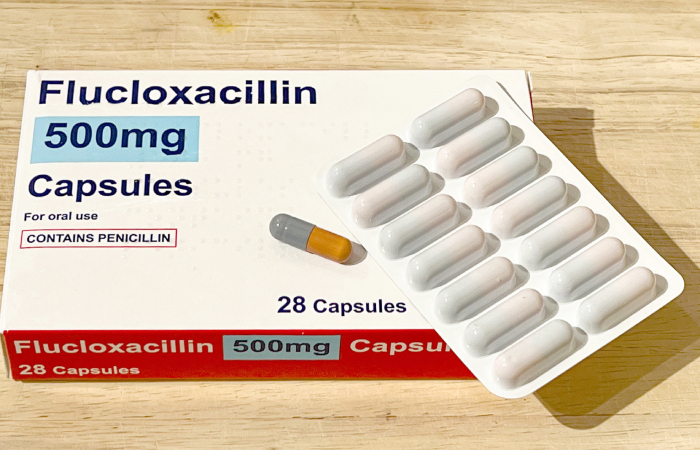
Negotiating body Community Pharmacy Northern Ireland (CPNI) has said that contractors are losing over £19 on every pack of flucloxacillin they dispense as it warned that patients may lose access to staple medicines.
In a statement today (November 25), CPNI said packs of the antibiotic currently cost over £25 from wholesalers, adding that while the Department of Health increased the reimbursement rate for the drug from £5 to £19.50 in October it has “reduced this back” to £5.85 for November.
The negotiator said: “Pharmacies are being faced with the impossible decision of whether or not they can purchase medicines on behalf of the health service, because increasingly, the cost is not being covered by the Department of Health.”
It said it was advising patients “that community pharmacies may not be able to supply the medicines they have been prescribed” as contractors are “increasingly forced to make clinical decisions based on cost considerations and affordability”.
Along with rising drug shortages, this is creating a “perfect storm” that will affect public access to medicines, the organisation said.
CPNI called on the Government to address what it described as a “broken, inflexible, and out-of-touch pricing model” which “takes no account of daily current market supply and price volatility”.
The negotiator also renewed its call to review the current clawback system, which in 2025-26 saw over £21m deducted by the Department of Health from drug payments made to community pharmacy owners.
Describing CPNI’s clawback plea as “very achievable,” chief executive Gerard Greene commented: “We need greater understanding among the decision-makers, of the challenges community pharmacists are facing every day, just to find medicines and to be paid properly for them.
“It’s like being told to order a tank of home heating oil when the market price is at its highest, knowing we can’t afford it. We ring round for the best price and hope for a government ‘top-up’ payment, only to be left badly out of pocket, time after time.
“When we’re faced with a sick patient in front of us, how can we be forced to make these decisions? We should not be put in this position.
“We should be reimbursed for the actual price we pay for medicines. No other part of the health service must make clinical decisions based on cost. It is patently wrong.”