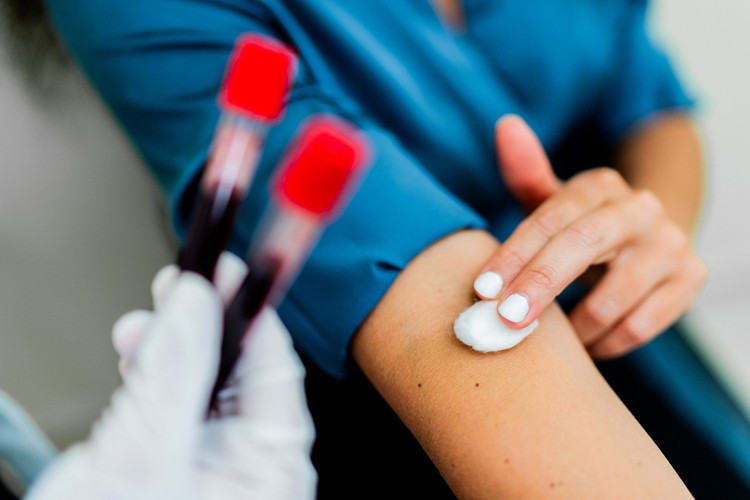



NHS launches blood test trial to spot cancers earlier
Ross Ferguson,
04 Nov 2026 2 Min

Ross Ferguson,
04 Nov 20262 Min
Ross Ferguson,
04 Nov 20262 Min


A trial of blood tests designed to detect early markers for some cancers, including prostate, ovarian, bowel, pancreatic, stomach, liver, and other abdominal cancers, is being launched in at least 200 GP practices in England, with more than 20,000 NHS patients expected to take part.
Patients aged 45 years and over who visit a participating practice with symptoms such as persistent bloating or discomfort will be offered the chance to participate. The blood tests patients will receive through the trial (called STRIDE-RCT) will look for signs of several cancers in a single sample and suggest where in the body they come from.
The tests use a variety of the latest technology, including artificial intelligence, detecting DNA shed by tumours, and measuring proteins in the blood. A positive result will help the GP and patient decide whether an urgent referral is needed, but it is not by itself a confirmed cancer diagnosis. A negative result is not a guaranteed all-clear, and GPs will also record how strongly they suspect cancer so researchers can assess how well the tests work alongside clinical judgement.
GP practices are being randomly allocated. In half, eligible patients will be offered a test alongside their usual care; in the other half, patients will receive usual care. Outcomes will be compared using routine NHS records. The results will inform an assessment of whether the tests should be rolled out nationwide.
Around 71,000 people are diagnosed with pancreatic, stomach, liver, ovarian or bowel cancer in England each year, and there are almost 35,000 deaths from these cancers. Around nine in 10 people diagnosed with bowel cancer at stage 1 survive at least five years, compared with around one in 10 at stage 4. Currently, just 2–6% of urgent referrals for cancer result in a diagnosis, and the technology looks to reduce this figure and free up appointments for those with a genuinely urgent need.
Health and Social Care Secretary Yvette Cooper said: “The earlier cancers are diagnosed, the more chance they can be successfully treated, and lives can be saved. This world-first trial will establish whether simple blood tests can help GPs identify much sooner the patients who need urgent support.”
“Innovations like these are a key part of our National Cancer Plan, which will provide faster diagnosis, more effective treatment, and better care for every patient, while also investing in the trials and technology that offer hope of curing cancer for good.”
The trial is funded by the Office for Life Sciences through the National Institute for Health and Care Research, which will provide up to £8.49 million. Participating practices will include inner-city, rural, seaside and deprived communities.