



Neighbourhood health programme reduces emergency admissions by 36%
Ross Ferguson,
22 Jul 2026 2 Min
2 Min

Ross Ferguson,
22 Jul 20262 Min
Ross Ferguson,
22 Jul 20262 Min


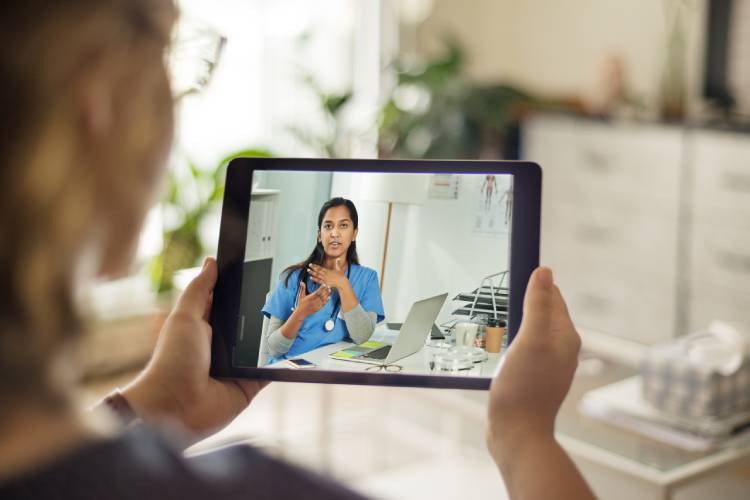
A remote monitoring service that forms part of Liverpool's neighbourhood health programme has reduced A&E attendances by 28%, emergency hospital admissions by 36%, and GP encounters by 34%.
The programme which forms part of the Liverpool Place Population Management model, recently won the Neighbourhood Health Award at the NHS Excellence Awards 2026.
The telehealth service supports people living with long-term conditions including COPD, heart failure and diabetes. It combines proactive case finding with remote monitoring and enables clinicians to identify patients who are most likely to benefit from additional support, helping them to manage their conditions at home and reducing the likelihood of avoidable hospital admissions.
Over the past decade, the service has evolved from a traditional telehealth programme into a dedicated clinical hub supporting long-term condition management, virtual wards and a growing range of neighbourhood health pathways across Cheshire and Merseyside.
Around 56 whole-time equivalent staff now provide clinical monitoring, education and health coaching, with patients receiving different levels of support depending on their individual needs.
Clinicians use population health management techniques to identify people who may be at increased risk of deterioration or emergency admission. This allows support to begin earlier, before patients reach crisis point or require urgent care.
The service has increased its caseload from around 250 patients to more than 2,000 within a year, with approximately 70% of patients identified through enhanced case finding rather than conventional referrals.
Peter Almond, head of service for digital and administration at Mersey Care NHS Foundation Trust, said: "Using the population health data enables us to identify the cohorts of patients that we know will benefit the most from telehealth."
Once enrolled, patients submit physiological observations, symptoms and wellbeing information from home. Depending on their condition, this may include measurements such as blood pressure, oxygen saturation and weight. Clinical teams review the information daily, enabling them to identify early signs of deterioration and intervene before patients require emergency treatment.
Alongside remote monitoring, patients receive education and coaching to help them better understand and manage their conditions, improving confidence and supporting healthier behaviours over the long term.
Independent evaluation has demonstrated significant benefits for both patients and the wider healthcare system. Alongside the reductions in A&E attendances, emergency admissions and GP encounters, the programme has also reduced outpatient appointments, elective admissions and prescribing activity.
Patients have reported greater confidence in managing their health, a better understanding of their conditions and improved overall wellbeing, while family members and carers have welcomed the reassurance of knowing loved ones are being actively supported between appointments.
The programme builds on earlier research published in the BMJ, which demonstrated a 25.3% reduction in emergency admissions among patients using telehealth. Mersey Care is now working with the University of Liverpool to further evaluate the long-term impact of the service.
The telehealth programme is one part of Liverpool's wider neighbourhood health model, which brings together organisations from across primary care, community services, acute hospitals, mental health, local government and the voluntary sector to identify residents who may benefit from additional support and provide coordinated care before their needs escalate.


