


Cholesterol checks put pharmacy at heart of prevention
Ross Ferguson,
01 Oct 2026 6 Min
6 Min

Ross Ferguson,
01 Oct 20266 Min
Ross Ferguson,
01 Oct 20266 Min


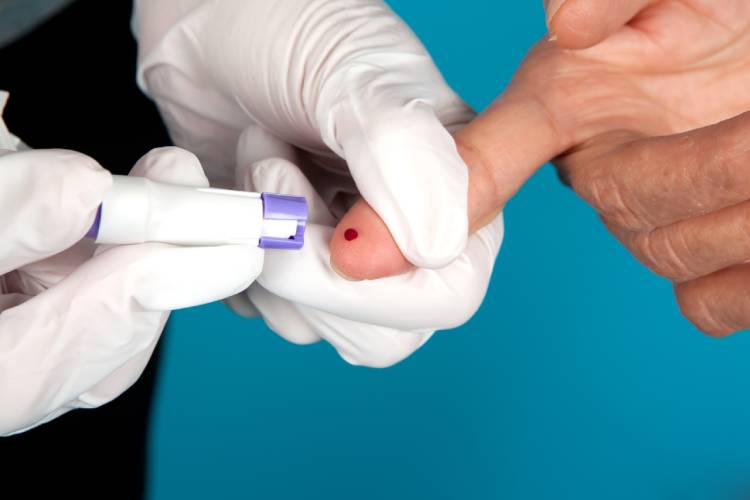
Around 100 community pharmacies in England are getting ready to offer cholesterol point-of-care testing (POCT) this autumn as part of a national pilot that will run until spring 2027.
People aged 40 to 84, who are not pregnant and have not had a blood test in the past year, will be eligible to walk into participating pharmacies for the finger-prick test, in a bid by NHS England to reduce heart disease and stroke deaths by a quarter over the next decade. GPs can also refer patients based on the criteria for the hypertension case-finding service, who can then have a cholesterol test if their blood pressure is high.
The test will analyse a person’s cholesterol profile in seven minutes, with pharmacist prescribers able to provide lifestyle advice, determine whether any treatment is needed and refer the person back to their GP if necessary. Patients will be sent a copy of their results by email, with pharmacists able to record the data on PharmOutcomes.
Contractors will receive a £10 fee for the blood pressure test and £18 for the cholesterol check.
Commercially available cholesterol self-testing kits are nothing new and readily available, but many only measure total cholesterol and don’t give a full lipid profile. Results also depend on the instructions being followed correctly, which is why a pharmacy-based check is a more robust option.
“Point-of-care testing means pharmacists can get a full lipid profile from a simple finger-prick sample within minutes, making it much more practical to offer these checks in a community pharmacy,” says Amandeep Doll, director for England at the Royal College of Pharmacy.
“It is not just about getting a quick result. Having a trained healthcare professional carry out the test, interpret it alongside someone’s wider cardiovascular risk, and provide advice or referral where needed, is really important.”
The Afinion 2 Analyzer will be used to analyse a small sample of blood taken from a finger prick and produce a full lipid panel within seven minutes. The HealthTab digital platform will then be used to enable calculation of QRISK scores.
| CVD risk assessment and lipid management |
|
When to assess CVD risk
How to assess The QRISK3 assessment tool is used to calculate the estimated CVD risk within the next 10 years for people aged 25 to 84 years (including people with type 2 diabetes). Statin prescribing Statin treatment (atorvastatin 20mg daily) should be offered to people with a QRISK score of 10% or more after risk assessment if lifestyle modification is ineffective or inappropriate. Treatment with atorvastatin 20mg should be considered for the primary prevention of CVD, even if the person’s 10-year QRISK3 score is less than 10%, where:
For more detailed information on testing and statin prescribing, see our CPD module on ‘Cardiovascular disease prevention: lipid management’. |
This latest national scheme follows a successful smaller cholesterol testing pilot in seven pharmacies (six of which were independent prescriber pathfinder sites) in North London, which was run by Barts Health NHS Trust in collaboration with UCLPartners, North East and North Central London ICBs, Community Pharmacy North East London, HEART UK and NHS England last year.
| The POCT pilot will analyse cholesterol levels within seven minutes and provide a full lipid profile |
The initiative formed part of a wider strategy to address declining cardiovascular disease (CVD) detection rates following the Covid-19 pandemic, during which routine monitoring significantly dropped.
Participating pharmacies were equipped with lipid testing devices and trained to conduct non-fasting lipid testing and how to interpret the results. Blood pressure measurements, and height and weight assessments, were also required as part of the consultation.
The POCT service supported 556 patients and found around one in five (111 people) had a QRISK score of ≥10%, indicating elevated cardiovascular risk. Fourteen patients showed critically high cholesterol levels and 27 had raised triglycerides above 4.52mmol/L, suggesting potential underlying metabolic conditions. Twenty-four patients were started on statins, while others chose to focus on healthy lifestyle changes.
Patients reported overwhelmingly positive experiences with the service, valuing the convenience and speed of cholesterol testing in a local pharmacy, clear and personalised explanations that helped them understand their CVD risk, and access to testing without needing a GP appointment. Some said they would not otherwise have sought support.
“Opportunistic POCT is brilliant for this cohort,” says Shilpa Shah, chief executive officer of Community Pharmacy North East London. “Services like this absolutely meet the NHS 10 Year Plan ambition of prevention and we need more of these services in community pharmacy.”
National pharmacy leaders have also welcomed the service. Henry Gregg, chief executive of the National Pharmacy Association, called it “an historic and positive step forward” for community pharmacy.
However, Leyla Hannbeck, chief executive of the Independent Pharmacies Association, warned: “For the service to be truly successful and reduce the burden on GPs, patients should be given the opportunity to pop into their pharmacies to get the service rather than being dependent on GP referrals. If the Government is to deliver a truly neighbourhood health service, this must be just the first move towards the NHS better utilising the nation’s pharmacies.”
High cholesterol is a leading cause of heart attack and stroke, hitting communities in the most deprived areas hardest due to higher risk factors and poorer access to care. There are often no symptoms, making proactive testing crucial. When the tests identify someone as high risk, community pharmacists can do much more than simply give someone their cholesterol result – and services such as this give pharmacies an ideal opportunity to educate patients.
“Community pharmacists can help people understand what their cholesterol result means and what they can do about it,” says Amandeep Doll. “That can include advice on eating a healthier diet, reducing saturated fat, increasing physical activity, maintaining a healthy weight and stopping smoking. They can also talk through how lifestyle changes fit alongside any medication and help people make changes that feel realistic and achievable. And for independent prescriber pharmacists working within the appropriate clinical pathway, this can include starting a statin – with decisions about treatment based on someone’s overall cardiovascular risk and clinical assessment, rather than their cholesterol level alone.”
Indeed, Dr Sotiris Antoniou, divisional director for clinical services at Barts Health NHS Trust and clinical lead for the initiative, says scaling this approach across England, “has the potential to improve outcomes and reduce health inequalities, particularly in communities where the burden of cardiovascular disease is greatest.”
For Shilpa Shah, it all comes down to making every contact count. “If, for example, a patient doesn’t have high cholesterol or high blood pressure, they may say they are smoking,” she says, “so the pharmacist would then go through the smoking cessation service or refer them to a pharmacy that provides it.”
She is also keen to see the scheme go further. “It is great to see health checks being revived in community pharmacy, but let’s not forget this is something we’ve been doing for years,” she says.
“Ultimately, my hope is that this transpires into a national service, with the right remuneration, because it is not enough to just do blood pressure and cholesterol testing. We need to be able to do a full health check for all patients, in any pharmacy, as a nationally commissioned service.”
|