


BMA warns pharmacist prescribing risks ‘compromising patient safety’ and calls for ‘restraint’
Neil Trainis,
17 Jul 2026 3 Min
3 Min

Neil Trainis,
17 Jul 20263 Min
Neil Trainis,
17 Jul 20263 Min


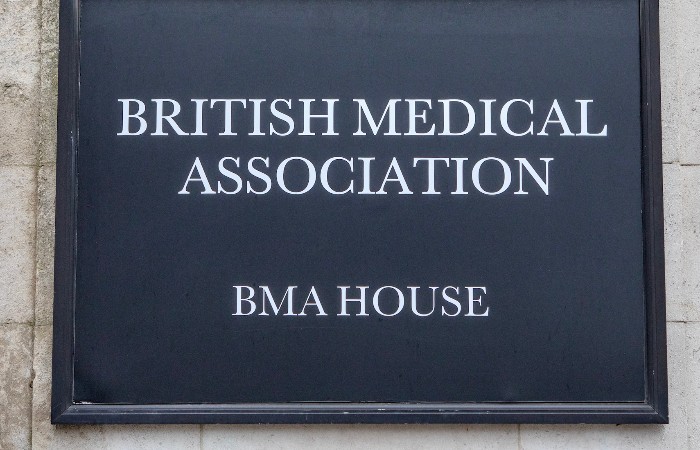
Exclusive: The British Medical Association (BMA) has warned expanding pharmacist prescribing to complex conditions such as mental health would risk “compromising patient safety” and insisted the practice in community pharmacy should be restricted until “fundamental” safety measures are in place.
The doctors’ trade union told Independent Community Pharmacist it has “significant concerns about the effectiveness” of pharmacists’ training even when prescribing for “simple conditions” following the introduction of independent prescribing (IP) to Pharmacy First and the pharmacy contraception service in May.
However, in relation to IP and more complex conditions, including depression, cardiovascular and respiratory disease, the BMA went further, warning patients’ lives are at stake.
“Prescribing for complex conditions such as mental health or respiratory diseases requires significant nuance, developed through years of training and experience,” it said.
“That experience teaches doctors not only when to prescribe, but also when not to. Expanding this responsibility to community pharmacists risks compromising patient safety.
“Your doctor has access to far more information than a pharmacist, including your medical history, family history, and an understanding of how one clinical decision may affect other aspects of your health.”
Shared decision-making is essential
The BMA said pharmacists could “misinterpret a clinical situation because they lack the necessary information or qualifications”, leaving GPs to take responsibility “after a decision has already been made”. The BMA said that scenario was “unacceptable for all parties”.
“This is not to suggest that pharmacists are incapable,” it said. “Rather, it highlights that shared decision-making is essential when balancing risks, symptom control, and disease progression. Understanding how these factors interact requires experience, training, and medical expertise.”
IP is set to become a more common feature in community pharmacies across England in the coming years. From this September, all newly qualified pharmacists will be independent prescribers on the day of their registration.
When asked if it thought pharmacists should be prescribing at all, given it has traditionally been GPs’ territory, the BMA said: “We are calling for restraint until the fundamental measures needed to make prescribing by community pharmacists safe are in place.
“Everyone involved must be adequately trained and have access to the systems required to make informed decisions. These foundations must be established before any further expansion of the current system.”
The BMA said IP was not as much of a risk for pharmacists working in GP practices because those pharmacists are “supervised and monitored by a GP and have medical oversight”, which was “not the case in the community”.
“Ultimately the BMA position is that long-term condition care should stay in general practice, with pharmacist support within practices,” the BMA added.
“Expanding the rollout to include more complex health conditions before the first phase has been fully assessed would be unwise.
“The BMA opposes doctor substitution in all its forms and believes medical school, followed by specialist training is the correct route to managing complex undifferentiated symptoms, when you often have to deviate from protocols.”
Nurses, pharmacists and other health professions prescribe with little issue
National Pharmacy Association chief executive Henry Gregg told ICP pharmacist prescribing “has a strong track record of safety in Scotland and other parts of the UK” and insisted IP in England was a “positive development”.
“(It) has huge potential to improve care and ease the burden on an overstressed system where there is all too little continuity of care and time for patients, something an area where pharmacists have a strong record,” he said.
“Research shows that patients themselves are supportive of this development. Nurses, pharmacists and other health care professions already prescribe within their expertise with little issue.
“Where the BMA is absolutely right is that pharmacists need full read and write access to patient records so there is seamless care. We also need carefully to explain the limits of pharmacist prescribing and establish strong communication between settings so issues are escalated as necessary.”
Some GPs, notably BMA council member Mike Henley, recently expressed concerns on social media about pharmacists diagnosing when prescribing. The former deputy chief pharmaceutical officer for England Bruce Warner dismissed those concerns as “noise” from “a vocal minority” which will “die down”.