


Barcode problems causing severe disruption to pharmacy services
Ross Ferguson,
13 Aug 2026 2 Min
2 Min

Ross Ferguson,
13 Aug 20262 Min
Ross Ferguson,
13 Aug 20262 Min


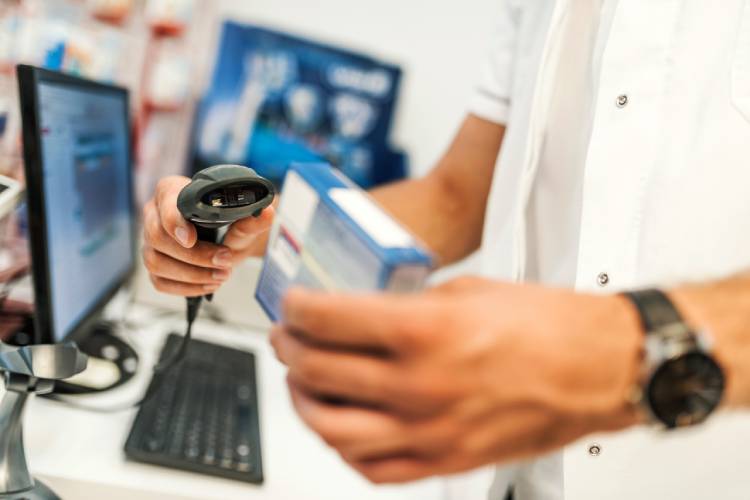
A survey of 44 secondary care organisations, conducted by GS1 UK, which looked at the impact of missing, inaccurate and unscannable medicine barcodes on NHS pharmacy services has found that 57% of responding secondary care organisations reported a moderate to severe impact on day-to-day pharmacy services and operational workflows linked to barcode related issues.
The survey also found that 73% of respondents used dispensing robots, highlighting the growing reliance on barcode-enabled technologies. However, inconsistent use of standards, alongside missing, inaccurate and unscannable barcodes on medicines packaging was creating additional manual work and reducing the efficiencies these systems were designed to deliver, says the report.
Three recurring themes highlighted in the survey responses were: patient safety risks where staff are required to rely on manual workarounds, operational inefficiencies affecting robotic dispensing and stock management, and barriers to implementing end-to-end closed-loop medicines management. Organisations using dispensing robots reported greater impact, reflecting their reliance on barcode functionality.
Under arrangements introduced following the Windsor Framework, the use of 2D DataMatrix barcodes on medicines supplied to the UK market became optional from 1 January 2025. The survey findings suggest that growing variation in the use of these barcodes is creating challenges for some NHS pharmacy services.
The report concludes that a coordinated approach is needed to protect patient safety, maintain medicines traceability and support the continued adoption of digital medicines systems across the NHS. It highlights the importance of consistent barcode standards and high-quality product data in supporting modern medicines management.
Amna Khan-Patel, senior healthcare engagement manager at GS1 UK said: "This survey focused on secondary care organisations, but the challenges are unlikely to be limited to hospitals. Community pharmacies that use barcode scanning, automated dispensing systems or robotics also depend on reliable barcodes to support safe and efficient medicines management.
"As more of the medicines pathway becomes digitised, consistent barcode standards will be increasingly important to helping healthcare providers realise the benefits of digital systems, including improved efficiency, medicines traceability and patient safety."
GS1 UK is calling for continued industry collaboration on barcode standards and greater reporting of barcode and data quality issues to help build a clearer understanding of the challenges facing pharmacy services.