Community pharmacy and holistic care
Community pharmacy and holistic care
The pharmacy contractual framework in England requires pharmacy teams to engage in activities that promote health and wellbeing.
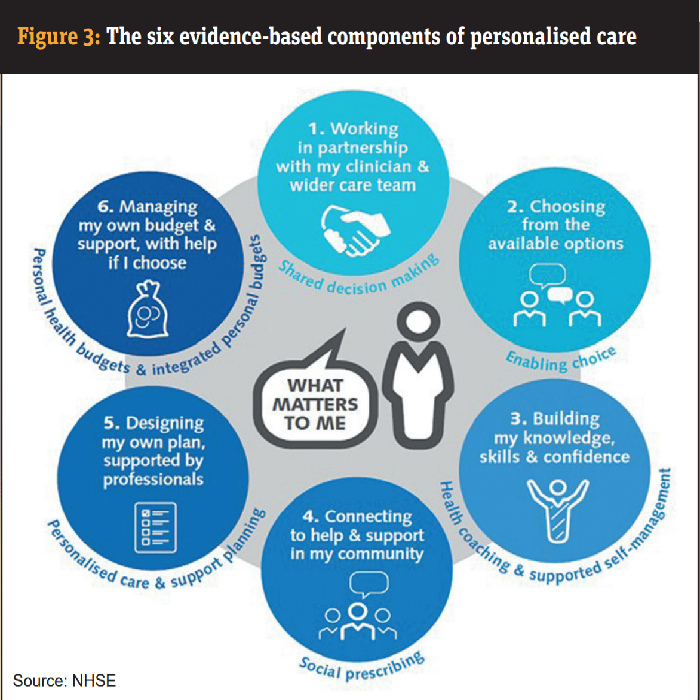
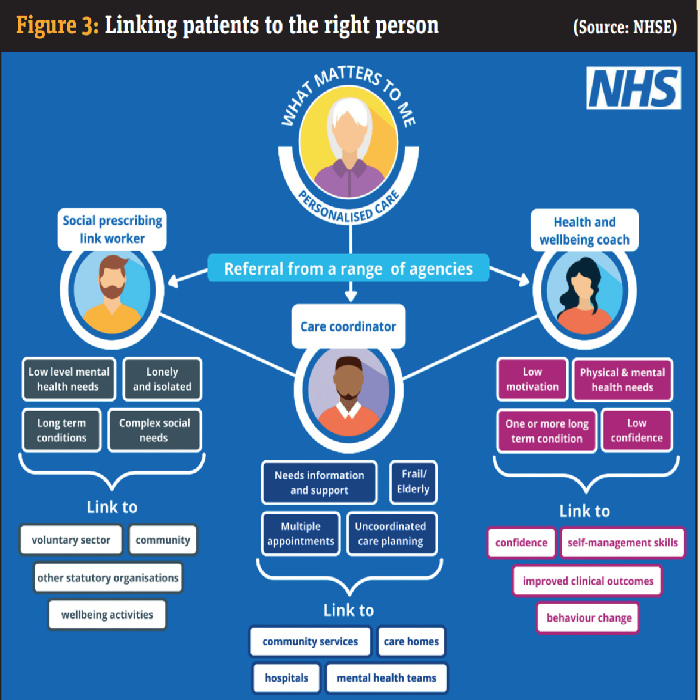
Service specifications within essential services for public health, signposting, support for self-care and healthy living pharmacies provide opportunities to improve patient knowledge and empowerment. These activities do fulfil some aspects of social prescribing (e.g. helping or directing people to other agencies), but all require the patient to act independently.
This active signposting often works best for people with the confidence and skills to find their own way to community groups after a brief intervention, so is not regarded as a full ‘social prescription’.
Community pharmacists who are independent prescribers have to understand the wants and needs of their patients, and to place the patient first and centre. But does this mean they also need to be social prescribers in the full sense of the term?
Realistically, the answer is no, but the principles can still be used. A pharmacist’s expertise lies in addressing the medicines needs of patients, but it is important to also appreciate, understand and explore their non-medical needs in order to provide true holistic care.
Key to this is acknowledging this aspect of patient care, then building time into consultations to ensure that each patient’s biopsychosocial needs are met. To do this, it is necessary for pharmacists to reflect on their own consultation style.