
This site is intended for UK Healthcare Professionals only
thighs-1
bookmark icon off

Practice scenario: skin discomfort in a middle-aged man

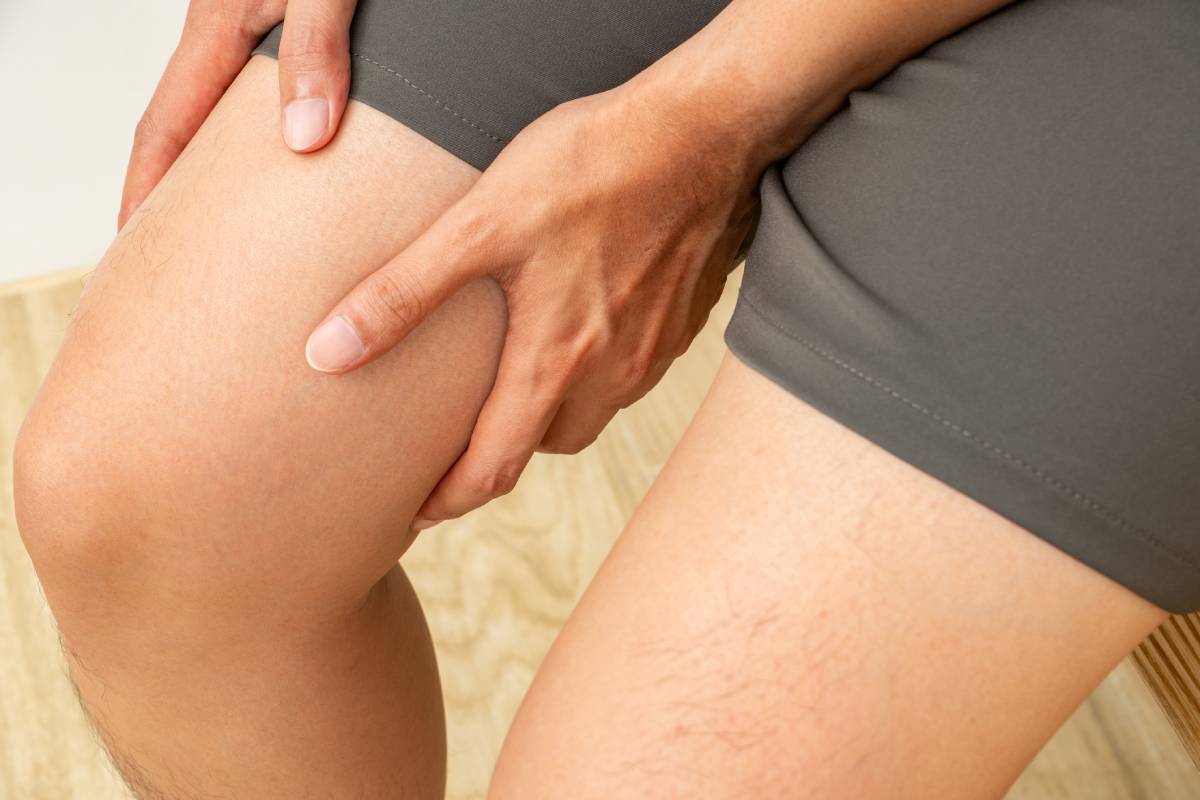
Scenario: Mr Tahir, 56 years old, has a history of high blood pressure and hypercholesterolaemia. He presents with a two-month history of itchy skin. He complains specifically of scalp and central back discomfort, and a burning sensation in both thighs. He has tried antihistamines and has been applying an emollient, but with limited success. You consider that it might be paraesthesia. What do you advise?

Key points: paraesthesia

  • Paraesthesia is usually defined as an abnormal sensation perceived on the skin or mucous membranes, but without any external stimulus.
  • Sensations are often described by patients as tingling, prickling, pins and needles, burning, crawling, itching, buzzing or even a subtle form of numbness.
  • Treatment of paraesthesia depends on addressing the underlying cause.
  • Paraesthesia may be transient and harmless (e.g. after prolonged pressure on a nerve), or persistent and indicative of an underlying neurological, vascular or metabolic disorder.

Problem representation

A middle-aged Asian male presents with chronic, generalised itching and skin discomfort, seemingly unresponsive to self-care measures.

Hypothesis generation

You think it could be paraesthesia – a symptom of sensory neuropathy (along with numbness and lack of temperature perception) and reflects as abnormal sensory manifestations, including feelings of pins and needles, tingling, sometimes itching, prickling, or a burning sensation.

Most people will have experienced paraesthesia at some point – for example, when a limb ‘goes to sleep’ and you need to shift position. Symptoms may be transient (e.g. caused by Raynaud’s syndrome or migraine) or persistent; limited in distribution, or generalised.

Common causes of specific localised paraesthesia include carpal tunnel syndrome and ulnar neuropathies. More generalised paraesthesia occurs in the conditions listed below: 


Likely diagnoses

  • Diabetes
  • Medication
  • Vitamin deficiencies

Possible diagnoses 

  • Alcohol misuse
  • Amyloidosis
  • Autoimmune conditions
  • Coeliac disease
  • Sjögren’s syndrome
  • Systemic lupus erythematosus
  • Rheumatoid arthritis
  • Hypothyroidism
  • Lyme disease
  • Meralgia paraesthetica

Critical diagnoses

  • Guillain-Barré syndrome
  • Multiple myeloma
  • Multiple sclerosis
  • Renal failure
  • Small cell lung carcinoma.

Continued information gathering 

Given the most likely diagnoses, you can see that Mr Tahir does not have an established diagnosis of diabetes. Neuropathy is associated with longer term diabetes complications, consistent with someone who has had the condition for some time.

Many people have undiagnosed diabetes, but symptoms of frequent urination, increased thirst and unusual tiredness would be prominent. For thoroughness, you ask Mr Tahir if he has had these symptoms over the last few months. He tells you that he has not noticed anything along these lines.

Could his medication be the cause of his symptoms? You confirm that he takes losartan for his blood pressure and atorvastatin for his high cholesterol. You also establish that the doses of both have remained the same for some time.
Statins can cause itching, which can occur at any point, so this could be the cause of his problem.

You have established that his symptoms have been present for about two months. The other likely diagnosis is a vitamin B deficiency, where symptoms tend to appear gradually over a long period. Itching/paraesthesia can be experienced with such a deficiency and needs to be explored.

Problem refinement

It is important to fully understand the nature of the itching/burning symptoms that Mr Tahir is experiencing. Neuropathy tends to show symmetrical distribution.

He tells you that the itching on his scalp is widespread and “right in the middle” of his back. Also, the burning sensation in both his thighs tends to be worse when he goes to bed. He says the areas affected have always been the same, although the burning is relatively recent in onset and seems to be getting worse.

You know that he hasn’t experienced any typical symptoms of diabetes, but it is still important to ask if he has noticed any other problems. He reports feeling generally tired but puts that down to not sleeping well at the moment. However, he also says that he has been getting a sore mouth and noticed the odd blister around his front teeth, as it had become tricky when brushing. Taken together, these symptoms do fit a vitamin deficiency.


Red flags

Signs and symptoms of paraesthesia that should alert you to onward referral will be sudden in onset and progressive. Intermittent paraesthesia that varies in location, along with unintentional weight loss, are also red flags. Mr Tahir is not exhibiting any of these symptoms.    

Management

Self-care options

A multivitamin could be considered in the time between Mr Tahir seeing you and possible GP follow-up.

Prescribing options

Deficiency can only be confirmed through a blood test. Full blood count, ferritin, folate and vitamin B12 should be checked. For thoroughness, HbA1c and thyroid function could also be assessed.

Safety netting

You tell Mr Tahir that his symptoms could be due to a vitamin and/or mineral deficiency but without undergoing blood tests it is almost impossible to know. You advise him that he needs to speak with his GP.

Causes of paraesthesia

Likely diagnoses

Diabetes
Sensory neuropathy is a common complication of diabetes. It occurs due to persistently high glucose levels that inhibit nutrient supply to nerves, resulting in nerve damage. Patients experience symptoms in the hands and feet, which include numbness, reduced ability to perceive pain, tingling or burning sensations, or pins and needles.
 
Medication
A wide range of medicines are known to cause paraesthesia, either directly or by causing vitamin deficiency. Medicines implicated include amiodarone, statins, antiretrovirals, antibiotics, tacrolimus, metformin, phenytoin and chemotherapeutic agents.
 
Vitamin deficiencies
Deficiencies of vitamins, such as B6 or B12, may evoke peripheral neuropathies. Vitamin B12 deficiency tends to develop slowly and signs and symptoms appear over time. Vitamin B12 deficiency can cause physical, neurological and psychological symptoms. Common are shortness of breath, fatigue, glossitis and associated mouth ulcers, episodic diarrhoea, and difficulty concentrating (brain fog). Symmetrical neuropathy often affects the legs, presenting as paraesthesia.
 

Possible diagnoses

Alcohol misuse
Alcohol misuse is when a person drinks harmful amounts or when they are dependent on alcohol. Excessive long-term drinking increases the risk of certain cancers, heart disease and pancreatitis. Alcoholic neuropathy/paraesthesia is often seen after years of heavy alcohol consumption.
 
Amyloidosis
This is a very rare condition where amyloid proteins build up around organs. Common symptoms include fatigue, weight loss, weakened grip strength, shortness of breath, skin bruising (especially around the eyes), swollen feet and paraesthesia in the hands.
 
Autoimmune conditions
Autoimmune diseases can lead to nerve damage. However, symptoms of neuropathy are uncommon and other more obvious clinical features will be present.
 
Hypothyroidism
Undiagnosed or poorly controlled hypothyroidism may lead to peripheral neuropathy, although it is not a common symptom. If experienced, it is usually seen in the wrists (e.g. carpal tunnel syndrome).
 
Lyme disease
A characteristic ‘bullseye’ rash is usually observed. However, this does not occur in every case. Other symptoms can be experienced such as flu-like symptoms, fatigue, swollen glands, fever, headache and paraesthesia.
 
Meralgia paraesthetica
Unilateral (although a small number of cases can be bilateral) numbness, tingling, itching or pain is experienced in the outer thigh and above the knee. Symptoms can worsen on standing or with exercise.
 

Critical diagnoses

Guillain–Barré syndrome
This is a rare acute inflammatory neuropathy with two-thirds of cases following infection. Initially, patients typically experience weakness, tingling and numbness in the feet and hands. Symptoms rapidly worsen over a period of weeks leading to ascending paraesthesia, muscle weakness causing balance issues, and visual and speech difficulties.
 
Multiple sclerosis
Presenting signs and symptoms can vary greatly but commonly include vision/gait problems, and neuropathy that includes weakness and paraesthesia (especially numbness).
 
Multiple myeloma
This is a disease of the plasma cells which produce immunoglobulin. Patients often present with long-standing back pain, fatigue, constipation, thirst, confusion and weight loss. Paraesthesia can be experienced but is present in only about 5% of people.
 
Renal failure
Peripheral neuropathy in chronic kidney disease is a common complication. It may be related to nutrient imbalances or aspects of dialysis. Nerve damage may be permanent and get worse over time.
 
Small cell lung carcinoma
The most common symptoms of lung cancer are new cough, breathlessness, chest/shoulder pain, fatigue, loss of appetite and losing weight without trying. As the disease progresses or metastasises, other symptoms such as skin itching can occur.
Now check your knowledge of paraesthesia
by answering the following questions:

1. Paraesthesia is best defined as?

a. Abnormal sensations occurring without an obvious stimulus
b. Complete loss of sensation
c. Hypersensitivity to touch
d. Inability to perceive temperature
e. Painful sensation caused by tissue injury

2. Which ONE of the following sensations is most characteristic of paraesthesia?

a. Burning pain with redness
b. Dull aching pain
c. Sharp stabbing pain
d. Tingling/pins and needles or burning
e. Throbbing pain

3. Which ONE of the following is the commonest cause of transient paraesthesia in a healthy individual?

a. Compression of a peripheral nerve
b. Diabetic neuropathy
c. Multiple sclerosis
d. Guillain-Barré syndrome
e. Vitamin B12 deficiency

4. Which ONE of the following conditions is most classically associated with chronic paraesthesia in a 'glove and stocking' distribution?

a. Alcohol misuse
b. Diabetic peripheral neuropathy
c. Guillain-Barré syndrome
d. Meralgia paraesthetica
e. Vitamin B12 deficiency

5. A 27-year-old woman presents with ascending paraesthesia in the legs following a recent viral illness. Which ONE of the following diagnoses is most likely?

a. Diabetes
b. Guillain-Barré syndrome
c. Multiple sclerosis
d. Rheumatoid arthritis
e. Spinal cord compression

Answers: 1.a 2.d 3.a 4.b 5.b

Share:

Change privacy settings