




 4 Min
In Clinical update

Follow this topic

Bookmark

Record learning outcomes
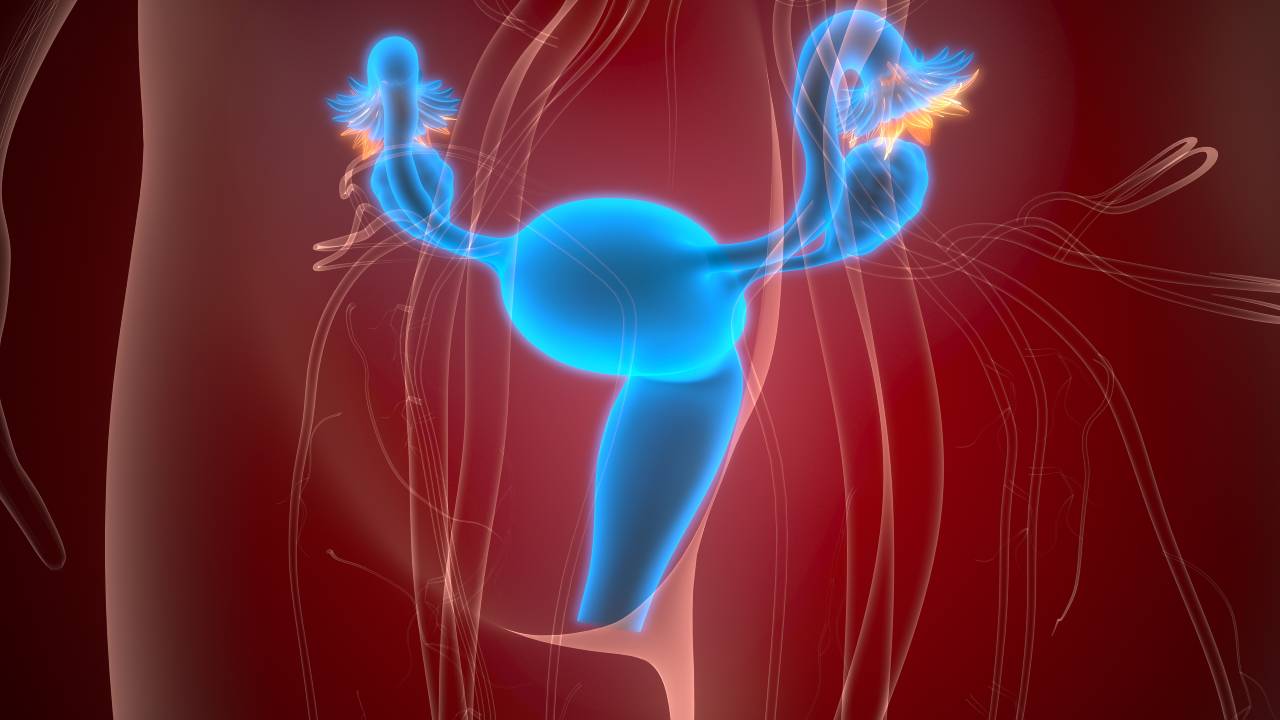
Polycystic ovary syndrome (PCOS) has been renamed polyendocrine metabolic ovarian syndrome (PMOS). The change was set out in a paper published in The Lancet in June, following a global consensus process involving patients, clinicians and health organisations across world regions.
The process concluded that the old name focused on ovarian cysts, a feature that is not a reliable marker of a condition which affects an estimated one in 10 women, while obscuring its identity as a complex disorder linked to insulin resistance and long-term cardiovascular risk.
For community pharmacists, this shift is a timely prompt to think about what earlier identification and better patient education could look like in practice.
What is PMOS?
PMOS is a whole-body hormonal and metabolic condition that can affect hair growth, periods, fertility and mood. Symptoms usually start before the age of 18 years, at puberty, and continue until menopause.
The main symptoms include:
- Irregular periods or long gaps between periods
- Excessive hair growth (hirsutism) or hair loss
- Weight gain or difficulty losing weight
- Difficulty getting pregnant
- Mental health problems (e.g. depression, anxiety)
- Oily skin and acne
- Thick, dark patches of skin on the neck or armpits (acanthosis nigricans).
“The primary cause of PMOS is having persistently high levels of insulin,” explains Graham Phillips, director and superintendent pharmacist of iHeart Pharmacy Group, and founder of the ProLongevity health management programme centred around tackling and preventing metabolic health disorders.
“This raised insulin leads to increased levels of testosterone, and PMOS is also associated with an increased risk of developing other health problems such as type 2 diabetes,” he says.
Explaining the condition
Caroline Andrews, a trustee at PMOS charity Verity and a solicitor specialising in family and fertility law, says one of the benefits of the new name is that it corrects the old assumption that the condition was about ovarian cysts.
“The cysts are actually undeveloped follicles and were never the cause of the condition; they’re just one of the symptoms,” she says. “People have been missing the full range of health impacts and the lifelong issues of PMOS, which can have comorbidities such as endometrial cancer, type 2 diabetes, cardiovascular risk, sleep apnoea and maternity complications. I would never underestimate the psychological and emotional impact of this condition.”
Pharmacy advice
If a GP suspects a patient may have PMOS, they may arrange some initial blood tests to check hormone levels and insulin resistance, as well as an ultrasound to assess the ovaries.
Although there is no cure for PMOS, pharmacists can advise patients on how to manage symptoms. Veerpal Sandhu, an advanced clinical pharmacist prescriber specialising in women’s hormonal health, menopause and metabolic health, says: “One of the first things I would say to a patient is – ‘you haven’t caused this’.
“PMOS is a complex endocrine and metabolic condition influenced by genetics and multiple biological factors. It is not simply the consequence of somebody’s weight, diet or lifestyle -- but there are things we can do to reduce symptoms and future health risks,” she adds.
“Regular movement, resistance exercise, reducing prolonged sedentary time, good-quality nutrition, adequate sleep and avoiding smoking all contribute to long-term cardiovascular and metabolic health. For somebody living at a higher weight, modest weight reduction can improve metabolic and reproductive outcomes – although, importantly, the evidence shows that healthy lifestyle changes have benefits even when weight does not change.”
Sandhu adds that: “PMOS should not be managed solely around periods and fertility – prevention of type 2 diabetes and cardiovascular disease needs to be part of the conversation, so community pharmacists can also encourage women to know their wider health numbers: blood pressure, glycaemic status and lipids.”
| There is no cure for PMOS but pharmacists can give advice on managing clinical features |
Treatments available to manage the clinical features of PMOS include:
- Oral contraceptives or an IUS – to help regulate periods and androgen excess symptoms
- Clomifene – to improve fertility
- Eflornithine – to reduce hair growth
- Weight loss medicines
- Metformin – for weight, hormonal and metabolic problems
- Acne preparations.
PMOS red flags
Community pharmacists and their teams are also key to recognising red flags in patients with PMOS symptoms or queries.
“I would particularly look for symptoms that do not fit the usual gradual PMOS pattern,” says Sandhu, “such as rapid development of significant hirsutism, deepening of the voice, marked scalp hair loss or other rapidly progressive signs of androgen excess, which need medical assessment to exclude other endocrine causes.
“Very prolonged gaps between periods – particularly repeated periods of amenorrhoea – should not simply be accepted as ‘normal for PMOS’. Chronic untreated amenorrhoea increases the risk of endometrial hyperplasia, so these women need review and discussion about endometrial protection. Unexplained heavy, persistent or abnormal bleeding also warrants assessment.
“I would also be alert to symptoms of diabetes, significantly raised blood pressure, possible sleep apnoea and pregnancy-related concerns. And we should not overlook mental health, either. Anxiety and depression are significantly more common in PMOS, as are body-image difficulties and disordered eating.”
Signposting and support
The final NICE guideline for PMOS is scheduled for publication in December 2026, which Caroline Andrews says will be “a watershed moment” when it comes to recognition of the condition.
In the meantime, she suggests some useful resources for patients – and pharmacists – wanting to know more. “Monash University, which created the international guidelines and were co-applicants on the name change, have a free, evidence-based Ask PMOS app to help people understand and manage PMOS, and included a symptom tracker to monitor their body and log changes over time.
“It can be really useful when a patient sees their GP about a diagnosis if they have already got six months of history – so pharmacists can encourage that kind of [recording] documentation.”

Share:


In Clinical update