

Three-quarters of adults rate pharmacies as ‘essential’ to high street
Arthur Walsh,
20 Jul 2026 3 Min
3 Min

Arthur Walsh,
20 Jul 20263 Min
Arthur Walsh,
20 Jul 20263 Min


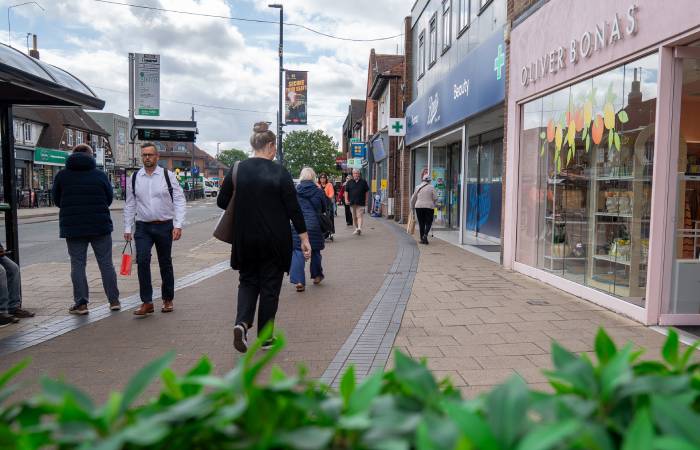
A large majority of UK adults believe community pharmacies are “essential” to their local high street, new research indicates.
Commissioned by Boots, the Healthy High Streets report found that 74 per cent believe a local pharmacy is essential to a thriving high street, rising to 81 per cent of people aged 65 and over.
Ninety-four per cent said they would visit other nearby businesses alongside a pharmacy consultation and spend up to £15, which think tank Public First claimed could ‘unlock’ a “£13bn economic boost” to high streets.
The research found that access to healthcare and the decline of shopping thoroughfares are top concerns for the public, with 49 per cent of respondents saying their local high street is “getting worse” due to issues like store vacancies and antisocial behaviour, and access to healthcare services identified as “the second most important local issue” after housing affordability.
Dental services, vaccinations, long-term condition management and weight loss were among the services survey respondents identified as being important to them.
Over half (57 per cent) said they would attend health screenings if there was more local availability, with 77 per cent describing the distance to their nearest provider as having a moderate to significant impact on their overall health.
The report, which found that expanding the number of Pharmacy First clinical pathways could lead to 14.6 million fewer GP appointments, includes a case study of a former Wilko store in Barnsley that was repurposed as an NHS health and wellbeing hub, leading to an additional 50,000 high street visits.
It also calls for a reform of the business rates system, which is described as having “a disproportionate burden on high street providers and [acting] as a barrier to investment”.
The authors said: “A more level playing field between bricks-and-mortar and online businesses will be important to supporting sustainable high street activity.”
Pharmacy minister Stephen Kinnock commented: “When people need to travel too far or take time off work or take their children out of school for appointments it affects their day-to-day lives and impacts productivity, efficiency and the economy.
“By making best use of our high street optometrists and pharmacists and rolling out Neighbourhood Health Centres, we will ease pressure on GPs, improve patient outcomes, while breathing new life into communities and boosting the economy.”
Seb Wride, head of research at Public First, said: “When we talk about high street renewal, we often focus on the shops and cafes that might be expected to drive footfall, but this research surfaces the importance of the essentials too. When the public talks about what they need on their high street, they highlight critical services like healthcare. This is what a healthy high street means to the public.
“The local pharmacy sits between two key political issues. Public concern about the decline of their high street, and the challenge with accessing healthcare. This means that pharmacies can help solve two problems in one, providing convenient access to in-person healthcare services, and bringing more shoppers back to the high street and boosting the local economy."
Outgoing Boots UK managing director Anthony Hemmerdinger said the report “highlights a significant opportunity to improve public health, ease pressure on wider NHS services and bring more people back to local high streets,” adding that Boots is “ready to work in partnership to help deliver better access to care, support healthier communities and contribute to thriving local high streets for the future”.
Helen Dickinson, chief executive of the British Retail Consortium, said: "A successful high street depends on a strong mix of retail, hospitality and essential services, supporting jobs, growth and local investment. Government can help unlock that potential by tackling crime, creating a more effective planning system and reducing the burden of business rates.”